



By: Johnathen Rockwell, 2026 Valentine-Cosman Research Fellow
For more than 50 years, players young and old have experienced tabletop role-playing games: rolling dice, eating snacks, and creating stories. Despite their longevity and contemporary boom in popularity, tabletop role-playing games (TTRPGs) possess little associated scholarship, especially scholarship that addresses their unique culture and material legacies. By examining the interplay and correspondence between players and designers, and the game systems themselves, my work asks the question: Do tabletop role-playing games serve as a site for identity creation?
Although I had consulted a variety of internet forums and local players for a contemporary perspective, The Strong National Museum of Play offered me unprecedented access to a rich body of material from throughout tabletop role-playing game history. As a research fellow, I found myself able to study decades of handwritten and recorded material, including notes from game designers, handmade player materials, game systems, and complementary research about material cultures and TTRPG history. Using this extensive library of material, my project “Stories and Self: 50 Years of Tabletop Role-playing Games as Identity Creation Tools” can explore a deeper level of contemporary correspondence alongside period-aligned game systems to assess the evolution of the “roleplaying” within these games—and what it can mean to their players.
When starting this project, like all great adventurers, I had a few quests I wanted to pursue. My first quest was to explore the links between players and the stories they created. How do they bring their game into the real world? Do they draw art, write prose, take notes? How do they describe their experiences beyond the table? Then I set myself on a quest to delve into the links between game systems and roleplaying. When creating a game, are the designers creating mechanics with player expression and storytelling in mind? Lastly, I wanted to map the evolution of player engagement within the game itself. How do different mechanics influence player expression? When do players feel safe to engage as their authentic selves? My quest went beyond the space of play and into the business of role-playing too. I took time to survey business dealings, internal design correspondence, and marketing materials throughout the decades—all with an eye toward how these materials introduce players to the unique factors of roleplaying games.
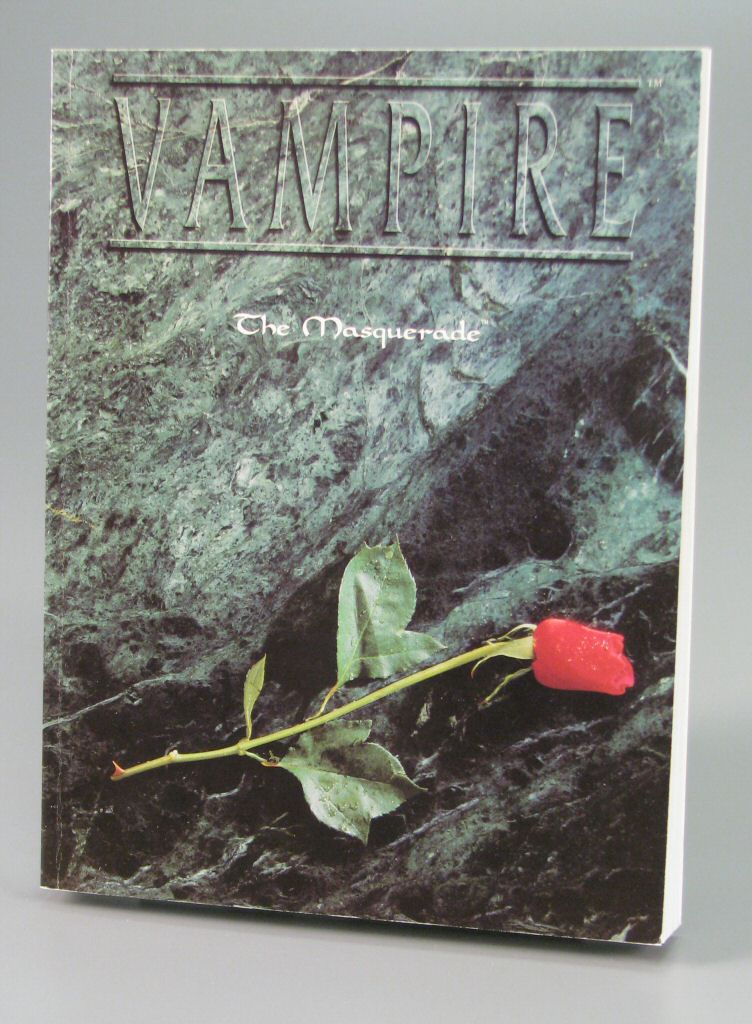
The notes of game designers, advertisement placement, and continuing correspondence between creators and fans demonstrate an evolution of the medium, with game systems taking cues from other products entering the space, and entirely new game ideas (1981’s Call of Cthulhu or 1992’s Vampire the Masquerade, for example) creating lasting seismic shifts in the industry understanding of what role-playing games can be. Over its more than 50 years of history, the culture of tabletop games has experienced significant shifts, which are clearly represented in its material record. During the 1970s, players took a much more tactical approach to role-playing, born out of the wargaming tradition. They were tasked with mapping dungeons based on the verbal cues provided to them during play and gamemasters were directly incentivized to confuse or confound their mapmakers. What results from this is an extensive archive of hand-drawn maps, laid on grid paper. Yet there are still touches of personality during these early years. In 1976’s Dungeons and Dragons, players are encouraged to create a will and testament right on their character sheet, and these sheets show signs of intense play—frequent erasing of health, additional handwritten inventories, and in some cases, drastic displays of unfortunate luck (one sheet had the word “DEAD” scrawled in a large font across its body).
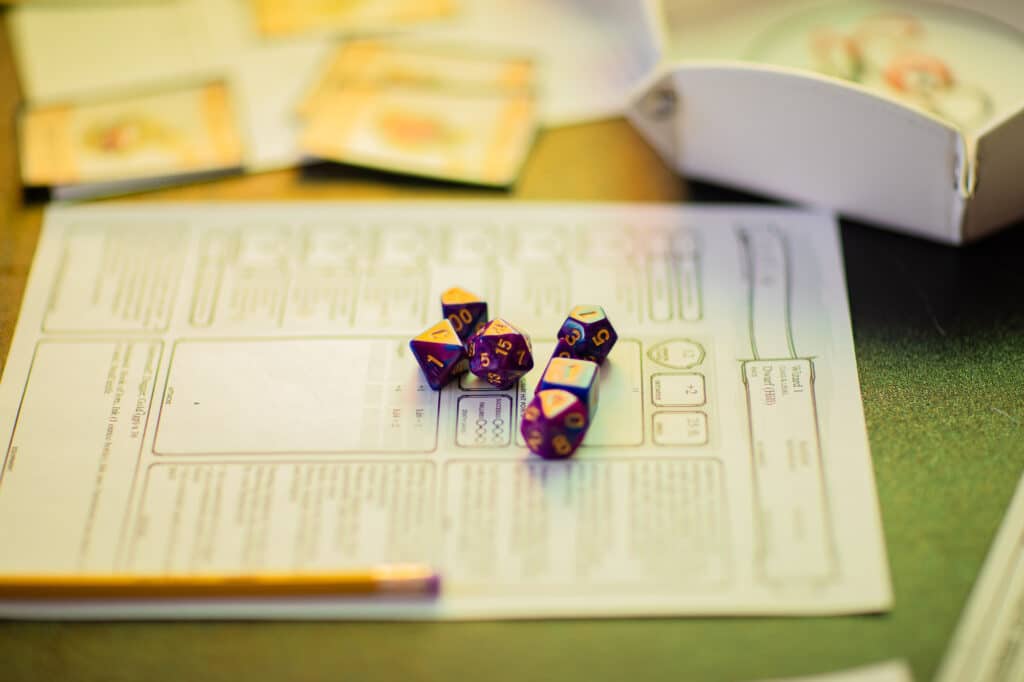
Moving into the late 1980s and early 1990s, I saw a notable shift in what players were creating to supplement their games. Titles like Vampire: The Masquerade and Call of Cthulhu (among many others) begin to take emphasis off wargaming-adjacent strategy and center it more onto story and character creation, and the material culture of these games reflects it. Player records from this period include in-character journals, prose regarding backstories, artwork, and even in-game items such as letters or clues distributed to players to solve directly. This evolutionary trend continued into the 21st century, when online tools made the manipulation of physical character sheets easier, allowing players to digitally insert artwork or images of the characters, and even 3-D printing of custom-designed miniatures. The independent roleplaying game movement also played a role in this movement, with solo or “journaling” games encouraging players to create a record of their experiences as their primary engagement with the game, further offering them a space to explore away from a social setting. The evolution of player-made materials took place in tandem with the maturation of role-playing games, creating outlets for players to express themselves while playing these games.
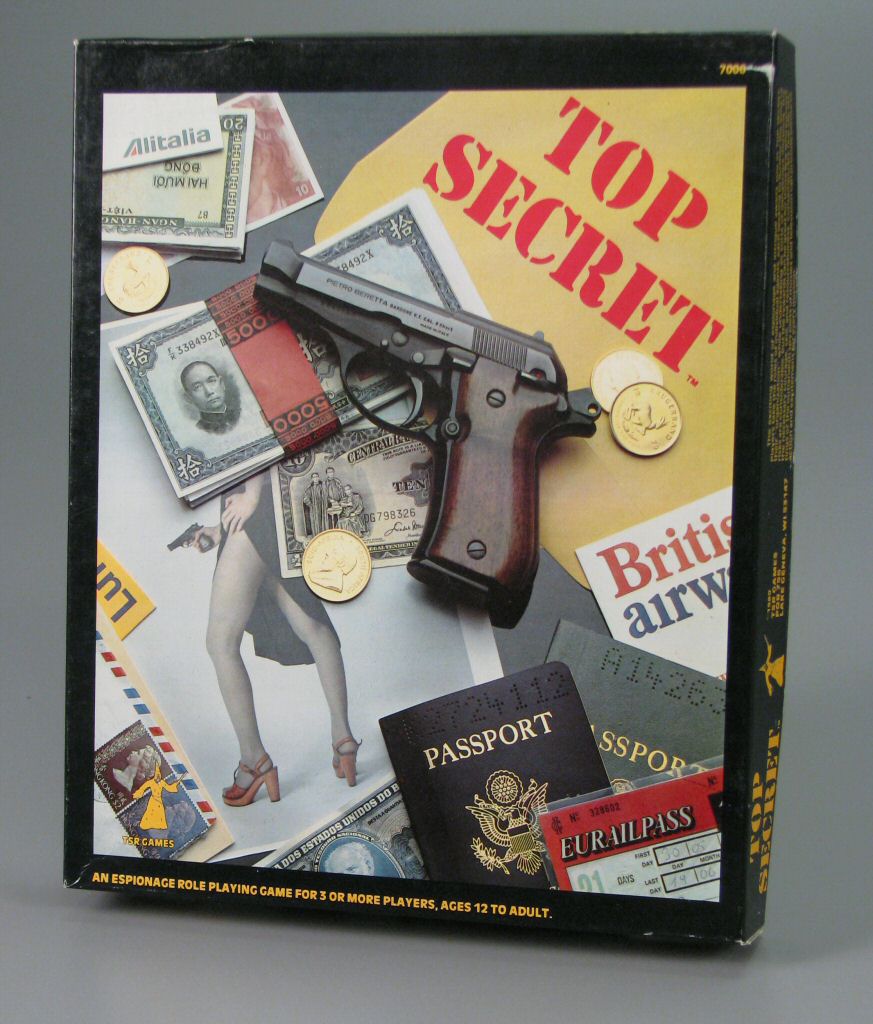
While role-playing games can serve as a site for self-exploration, another question arises: were they designed with this in mind? Working in The Strong’s archives and collections, I explored the evolution of design culture. Since the beginning of tabletop roleplaying games, designers have had regular correspondence with fans and other designers, which serves to outline the evolution of sensibilities. Game mechanics that have narrative influence evolved from a common point in 1981’s Top Secret (where players can spend “fame points” to influence the outcomes of dice rolls) and continue to offer players increased agency over their mechanical and narrative interactions—all in service of collective storytelling. This line of design developed further throughout the 1980s and 90s, most prominently in 1991’s Amber Diceless Roleplaying and the World of Darkness franchise. The democratizing effects of the internet also play a role in design evolution. As publishing barriers lowered, designers were encouraged to experiment further with their titles without the need for wider commercial appeal. Titles like 2004’s Dogs in the Vineyard and 2010’s Apocalypse World are experiments in player-centric design, placing less influence on hard-and-fast game rules and more on centering players and the stories they want to tell. Fifty years on, game designers continue to be in conversation with each other, iterating and innovating from each other’s work.
This project not only catalogues the expression of tabletop roleplaying games and their designers, but also the words and experiences of their players. Archival research, alongside producing new oral interviews with players and designers with a variety of experiences and backgrounds, will come together to explore the unique cultures and outcomes of tabletop play. The Valentine-Cosman Research Fellowship has opened new pathways into my research, and I am excited to continue exploring stories and self in this mode.

