



I’m always surprised that more people don’t ask “What’s in a Conservator’s Toolkit?” because we usually have some rare and very cool favorite tools at our disposal for various tasks. Not your typical screwdriver, hammer, tape measurer stuff, I’m talking about tools you really wouldn’t find universally or at your local hardware store. What’s even more interesting is that each conservator’s favorites will be vastly different depending on the individual. So, I’m lifting the veil on my top five favorite tools, in no particular order, and including all the wonderful memories or fun stories I have about where or how I acquired them and what makes them so special.
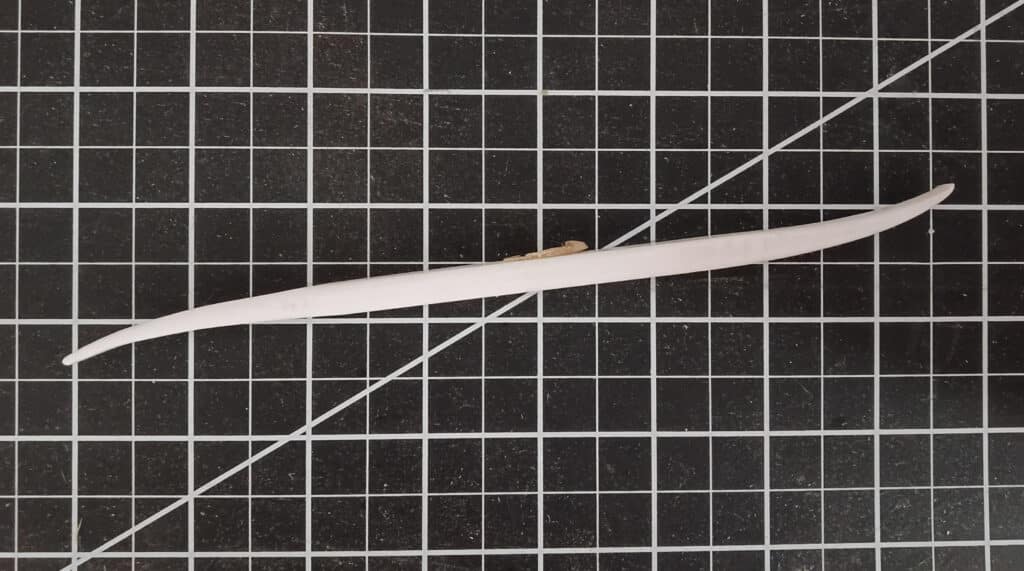
I was lucky enough to spend some time during a summer internship placement for graduate school at the Williamstown Art Conservation Center (WACC), in Williamstown, MA, assisting the two furniture conservators on a treatment of a gilded composition frame. When I say they had rare and specialty tools, they had RARE and SPECIALTY tools. I expressed interest in a few of the tools that piqued my interest and they were kind enough to give me a few custom Teflon tools. They showed me how to shape them to forms that would be useful for the tool. Now, you can purchase similar tools from companies worldwide, but I procured mine 15 years ago before they were universally available, so they are extra special to my toolkit. Teflon tools are often used in conjunction with adhesives or consolidants, so that the tool doesn’t stick to the surface during treatments for consolidation of lifting or flaking materials (like paint, gesso, etc.).
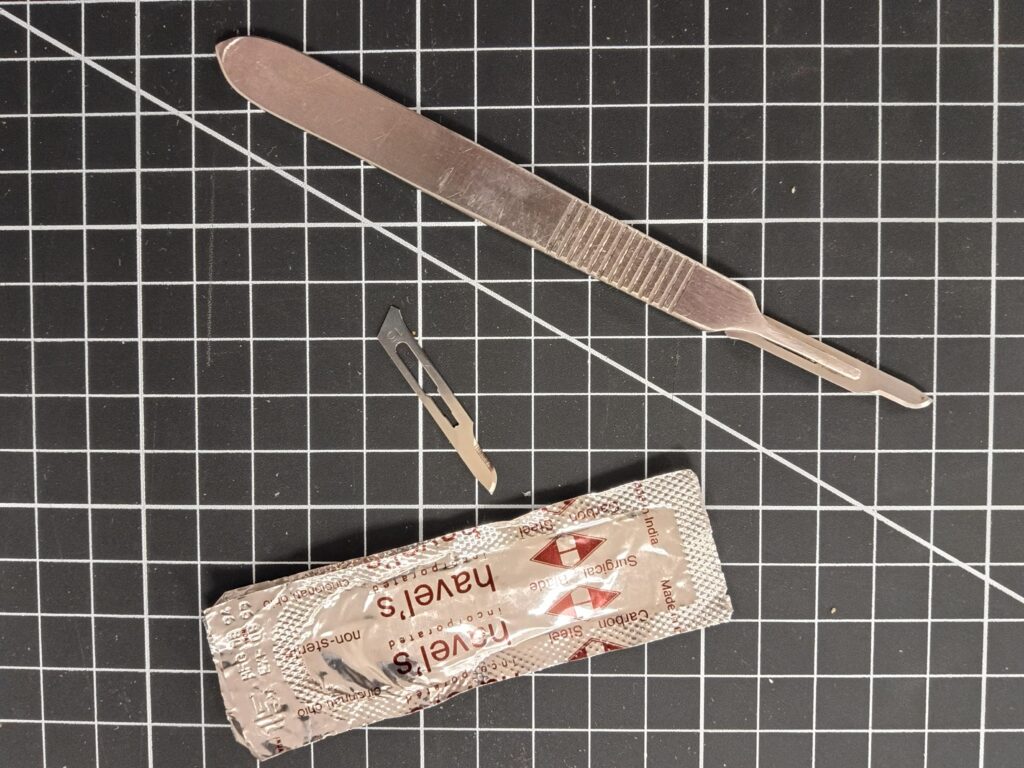
This is by far my most used tool. It can serve so many purposes and has such exactness— I cannot say enough good things about it. The weight of the stainless-steel handle makes it very easy on the hand. The variety of blade shapes and sizes makes it extremely versatile for any task you may have (scraping, picking, separating, filling, texturizing, etc.). I’ve also used the opposite end of the handle as a flat-head screwdriver in a pinch! The number 10 blades are my favorite. I’d be willing to bet that most conservators use and like scalpels, and most probably would have one ready at their disposal in their toolkit. I think I use a scalpel at least a few times a week—that’s how much I like it and shows what a pinch hitter it is for me.
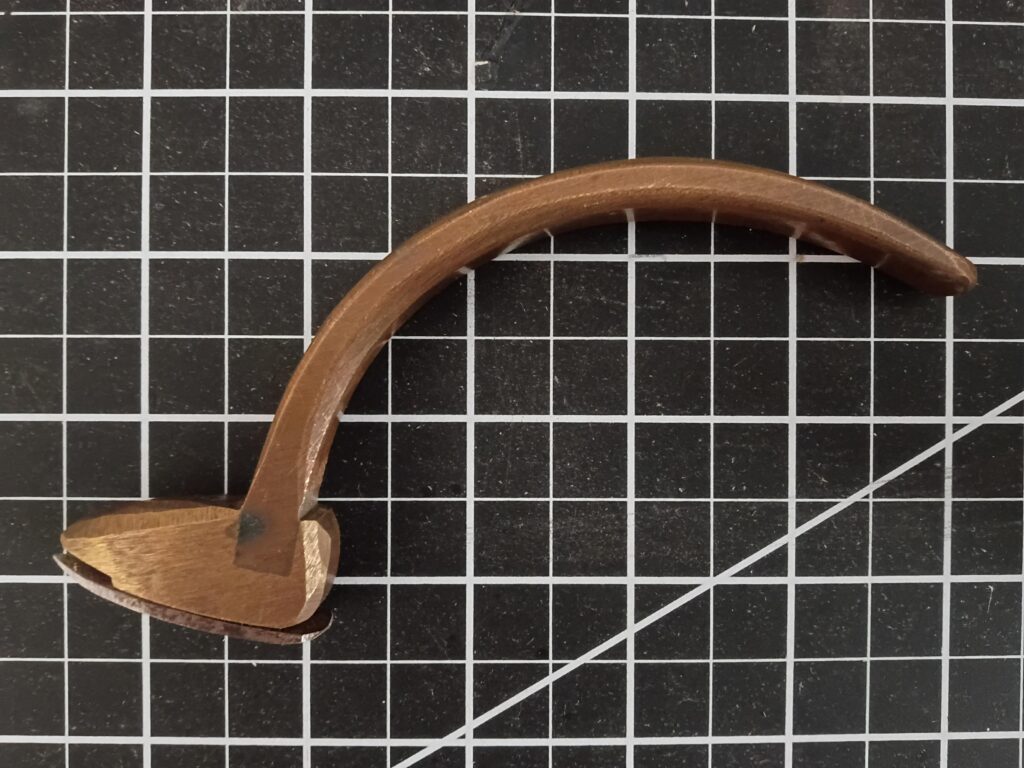
This may be the most special tool I have for two reasons: it was custom made for me (and has my initials stamped in the handle) and, when used, it makes light work of a task that can be incredibly tedious and extremely difficult on your hands. While a staple remover seems mundane, I tell you this one is not. It has a curvature to the handle that fits like a glove to a hand. The handle is brass and will form a gorgeous patina as it’s used over future decades. This is for sure the tool I would fight someone for as there’s not another one like it. It works so well, I bet I could win a Guinness World Record for staple pulling with it (yes, it makes it THAT easy!). A very kind art installer at the Straus Center for Conservation at Harvard, in Cambridge, MA crafted this tool for me. I worked on unstretching and restretching four oversized Morris Louis paintings (that means thousands of staples, FYI) while I was there and kept commenting on a staple remover they had that I liked. When my fellowship finished, they gave me a custom version of the staple remover as a thank you gift before I left. It is by far the crown jewel in my toolkit.
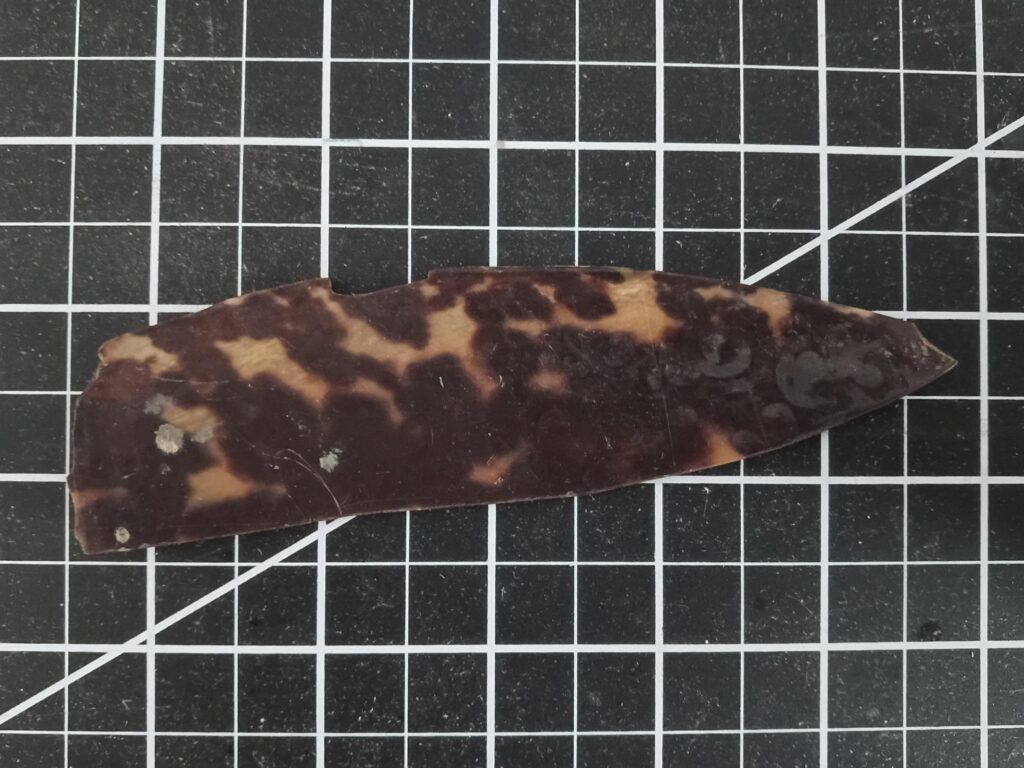
I cannot remember where my two furniture conservator friends from WACC got tortoiseshell from, but they also gifted this tool to me. It was probably created with broken pieces of inlay from something, but I honestly can’t remember. Not a spectacular story for this one, but what an amazing scraping tool. It leaves no marks or scratches behind and doesn’t mar the surface at all, so it’s great for even the most sensitive surfaces. It has a great shape to it as well that’s easy on the hands and is extremely durable. This is definitely a rare and special one, I haven’t met another conservator that has tortoiseshell in their toolkit.
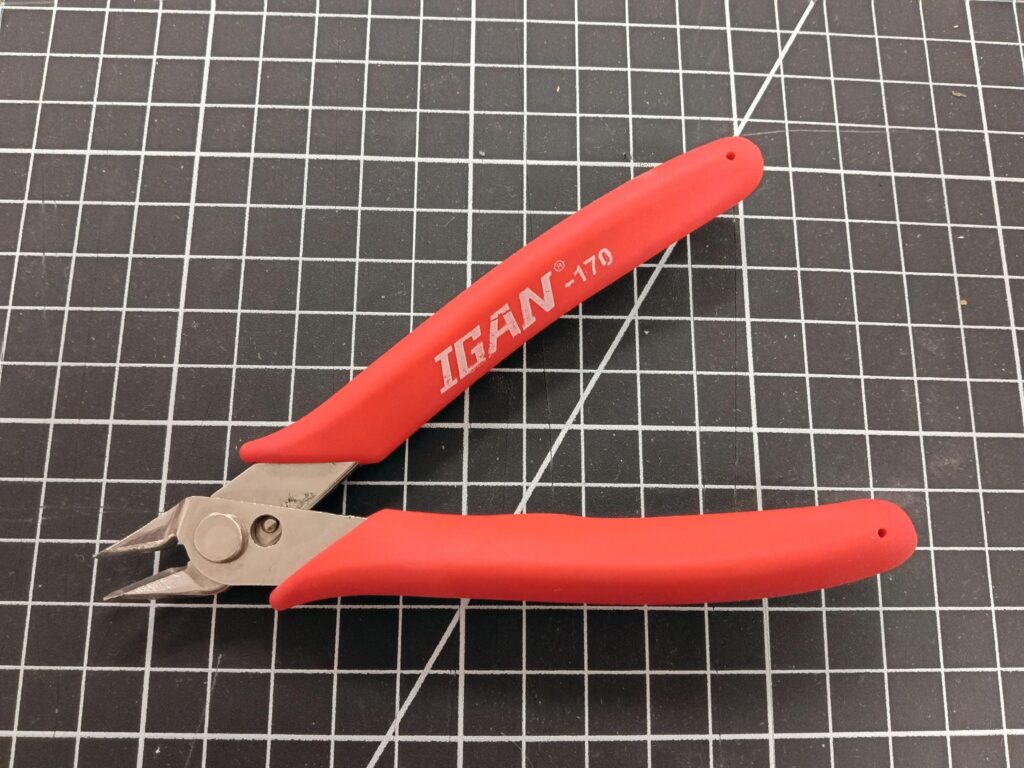
I think I first came across these in graduate school, but we used them for pulling tacks from painting stretchers. I still use them for that purpose (they have just the smallest ends that carefully fit under the head of a tack without causing a lot of damage), but I also love them for a general nipping or grabbing purpose. They are extremely strong and durable. They also are on the smaller side, so the handles fit easily in my hand and aren’t strenuous to use. This is another tool that I use for a variety of tasks, not just what they were intended for. The only other place I’ve seen these used is by electricians. This is a tool I often gift to my interns at the end of their placements, because it’s just so universal. Even if they don’t go on to become conservators, I promise them they will end up using them at some point in their lives and will find them handy.

