





Inducted: 2026
What makes a game scary? For that matter, what makes a game great? Silent Hill was not the first horror game or even the most famous, coming three years after Resident Evil, but it pushed the boundaries of the horror genre with innovative 3D graphics, a dynamic camera, and an emphasis on psychological intensity, where a brooding dread pervades the game as players explore the game’s eponymous town. To survive is to succeed in Silent Hill, but it takes a lot to survive! And the game’s multiple endings ensure that a lingering sense of lurking horror remains, even after the last button is pressed.
Some of the chilling atmosphere of the game came from decisions that developers Team Silent made. For example, part of the pervading fear in the game comes from the player’s limited range of vision. While certainly congruent with common tropes within the horror genre, this was also a virtue of trying to render 3D environments in real time on the hardware of the Sony PlayStation. Composer and sound director Akira Yamaoka made clever use of audio as well, not only with a haunting soundtrack but by other sonic cues, such as letting players recognize when there are monsters nearby by hearing static on their pocket radio. It’s an advanced warning system that scares the players in the process.
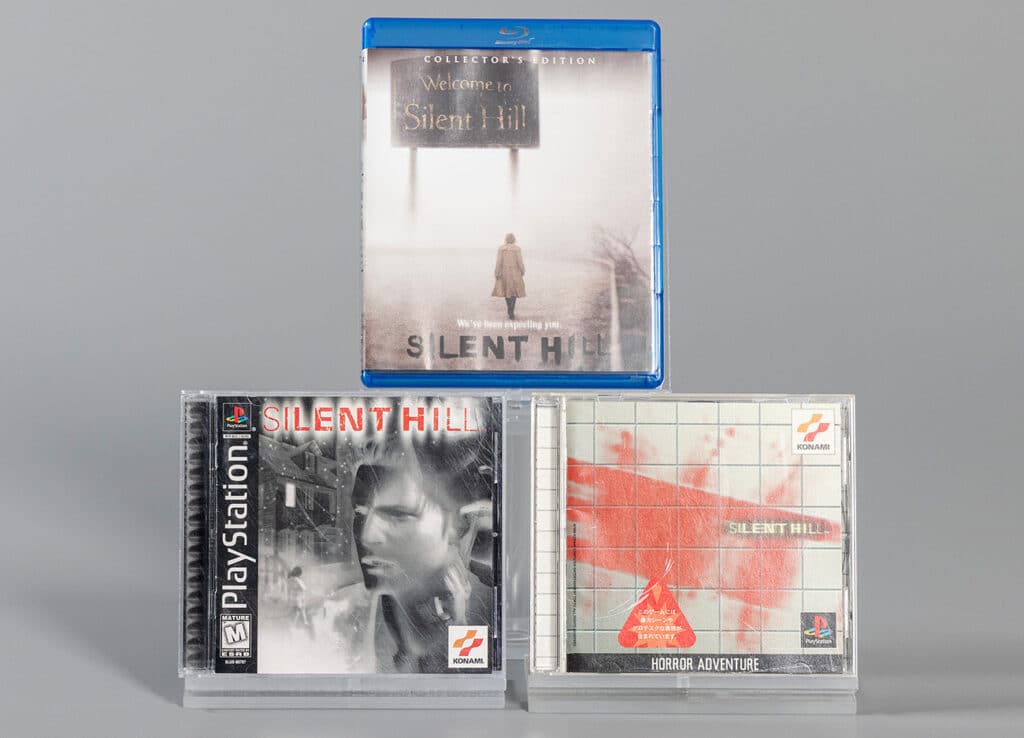
Players were thrilled by the game’s creative innovations, but they also responded to its conventions. The setting of the game bore all the classic hallmarks of a small American town, as seen through the eyes of Japanese producer and director Keiichiro Toyoma and his team, who explored the area around Chicago when they were developing the game. Classic horror tropes like religious cults, the undead, and impenetrable fog added to the effect.
Silent Hill’s success—it sold more than two million copies—meant that many sequels followed across a wide range of systems, with collective sales of more than $14 million. A film version of the original game grossed more than $100 million, and two more movies followed. But more than commercial success, the game’s significance lay in the ways that it pushed the horror genre in new, psychological directions that engaged players’ emotions as much as their reflexes.
Did You Know?
Silent Hill creator Keiichiro Toyama cites Stephen King novels and David Lynch movies as inspirations for the game.
Related Content
Finding Comfort in the Spooky: Cozy Horror Video Games
Do You Hear What I Hear in This Video Game?

