



What’s the Big Deal About Fast Food Toys?
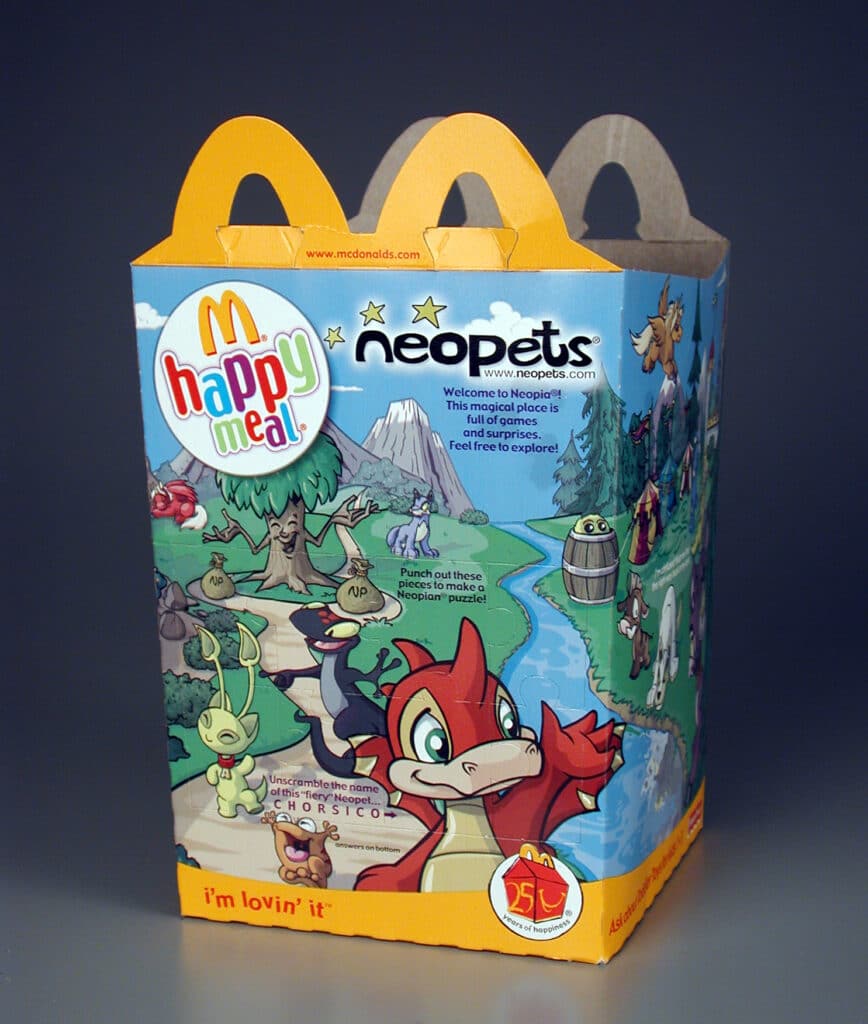
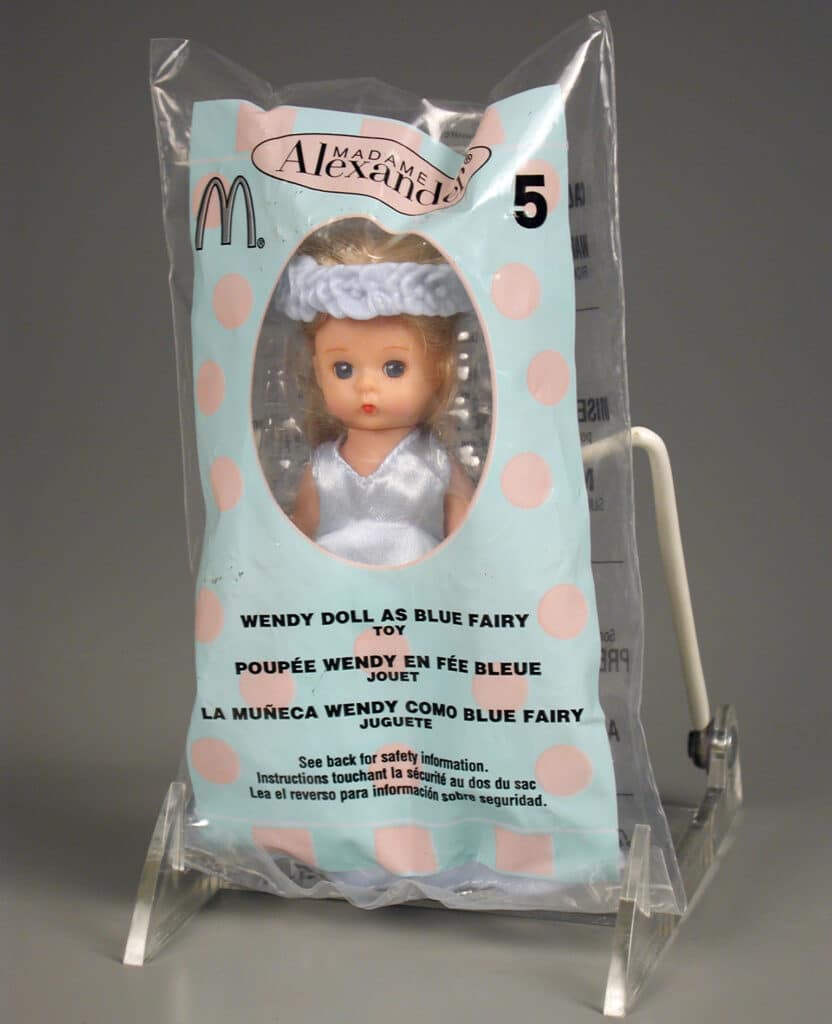
As an oldest child with a busy lifestyle, a calendar full of homework, dance classes, theatre rehearsals, voice lessons, Girl Scouts, choir, and sometimes Model UN or Math League, convenience and time efficiency were key in my childhood. My 25-minute commute to dance made me a frequent flyer at the McDonald’s that allowed me sufficient time to finish my food before we reached the studio. My meal of choice never wavered: a hamburger Happy Meal with the hamburger plain. (May I take this spot to express condolences for the loss of the Happy Meal cookies? The museum has an unopened package in the collection that haunts me.) Of course, with Happy Meals came the McDonald’s toys that have flowed in and out of my life. I found certain campaigns particularly memorable—small Madame Alexander dolls, “The Dog” plush, and Neopets toys.
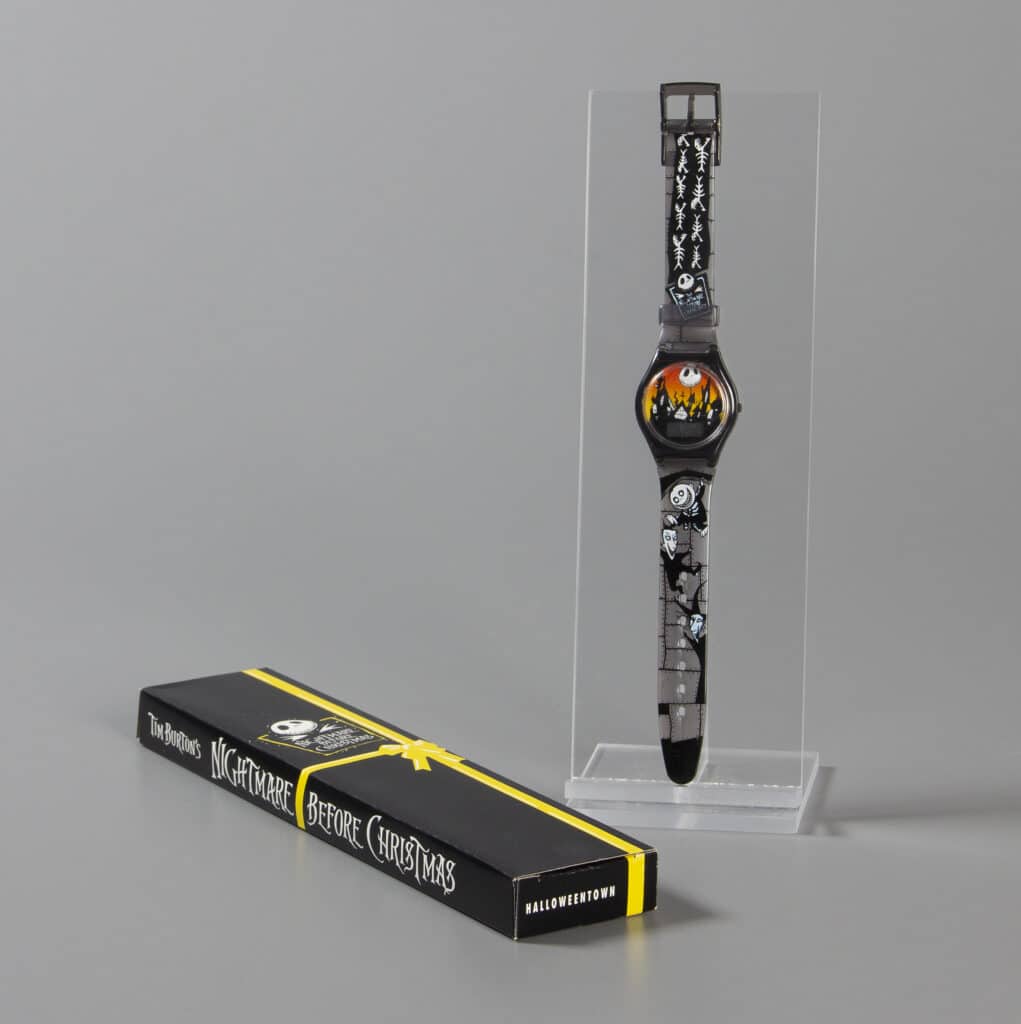
The Strong Museum has amassed hundreds of the premiums that came in kids’ meals from eateries like McDonald’s, Burger King, Taco Bell, Pizza Hut, and Dairy Queen. There are also premiums you could buy for a few bucks at specific restaurants. We hold a set of the Nightmare Before Christmas watches that Burger King sold for $1.99 with a value meal purchase in 1993. And I’ve always been a fan of the Shrek glasses sold at McDonald’s in 2007 and 2010 (even if the 2010 set was later recalled due to cadmium levels) and the Burger King Lord of the Rings goblets sold in 2001.
The fast food premiums in The Strong’s collection send me on a concentrated nostalgia trip, often accompanied with (my) exclamations of “I had one of those!” However, the toy premiums have significance beyond nostalgia; they also form a specific cultural record. To entice children (and adults as well), these restaurants pursued the latest trends, knowing that exclusive premiums could be a tool to increase sales. The premiums, in this way, are a reflection of the world around them: the hottest toys, the latest movies and shows, concerns of the time, and marketing strategies, for example.
Popular Toy Brands
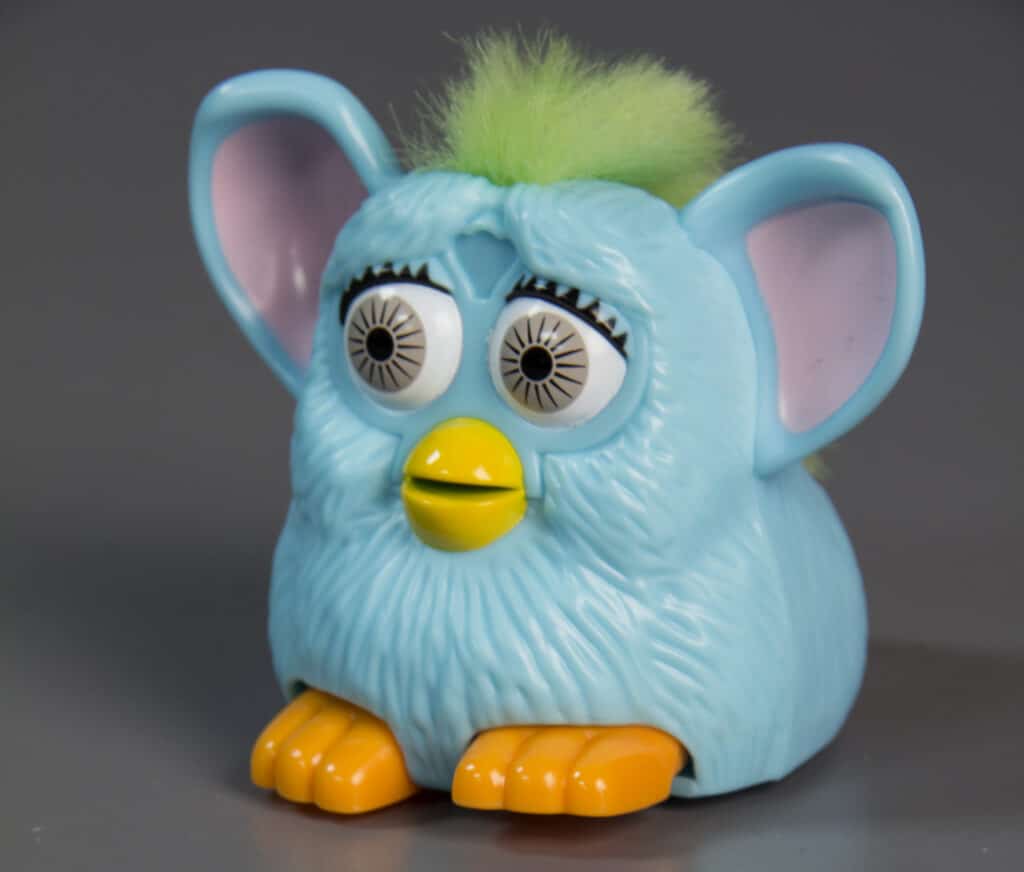
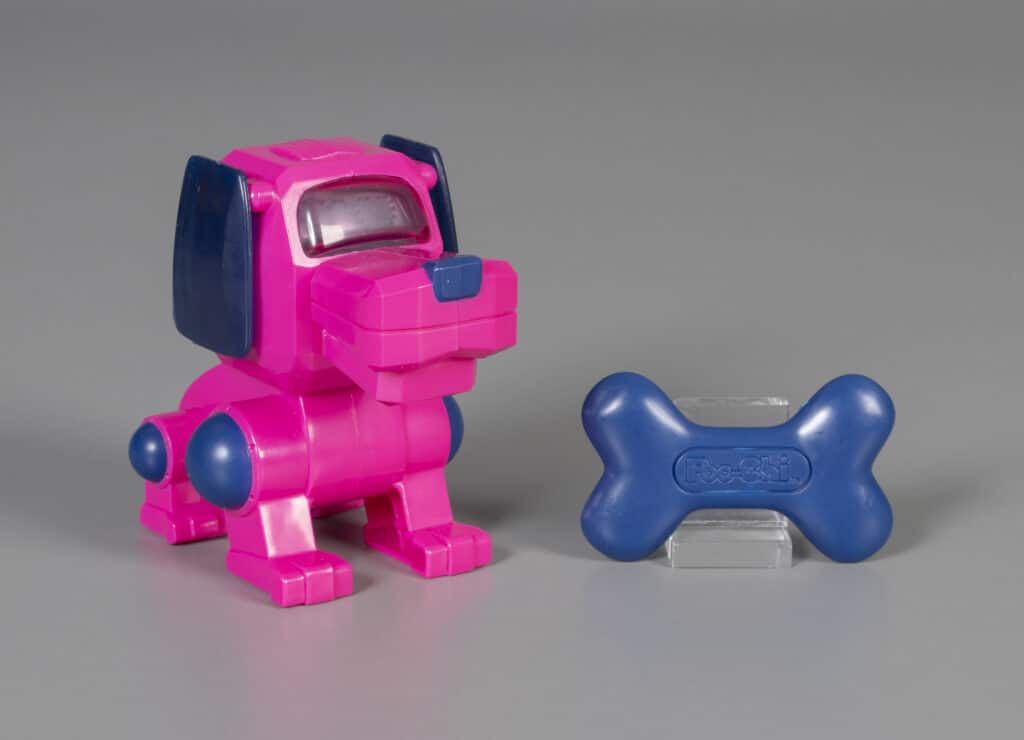
Premiums reflect what really excites kids at any particular moment. Robotic animals were trendy in the late 1990s and early 2000s. While not every kid could get a Furby, the McDonald’s miniature Furby of 1998 was much more affordable. The Robo-chi line is another product that McDonald’s featured in a miniature and more basic version in 2000. The popularity of a McDonald’s version of a toy often mirrors its popularity in the wider toy market. Teenie Beanies—miniaturized Beanie Babies—launched at McDonald’s in 1997, bringing the craze for Beanie Babies into the restaurant. All you have to do is take a look at the reminiscences on some Reddit threads to find stories of the long lines, wasted food, and demanding requests of patrons. Barbie, Hot Wheels, Super Soaker, Mr. Potato Head, Sky Dancers, Matchbox, Play-Doh, Pound Puppies, K’Nex, G.I. Joe, Micromachines, and Silly Putty have all earned time in the spotlight as toy premiums.
Popular Movies, Shows, and Games
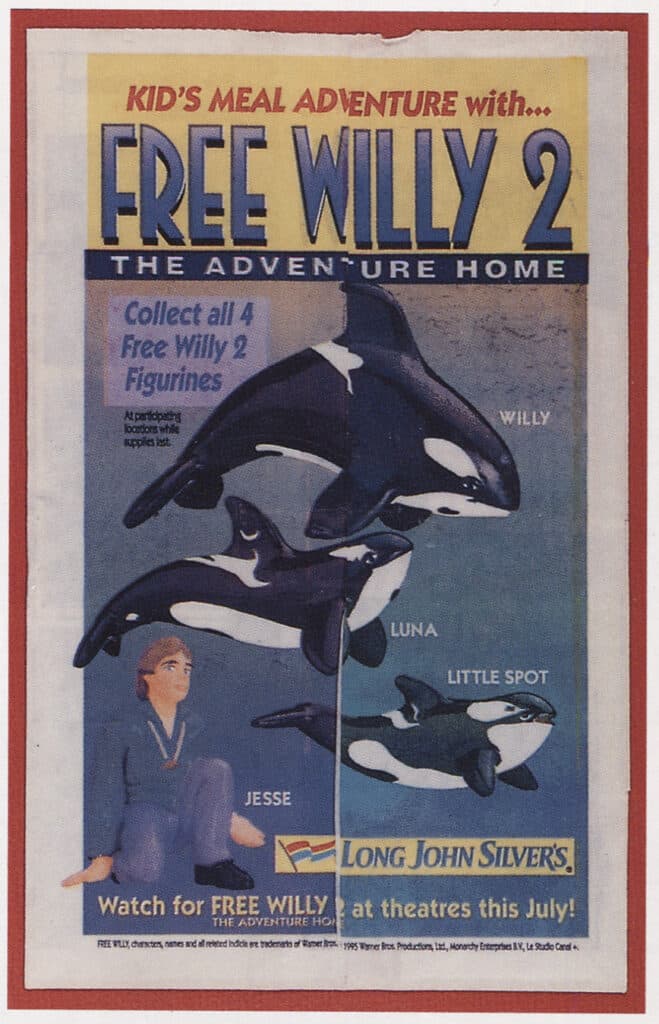
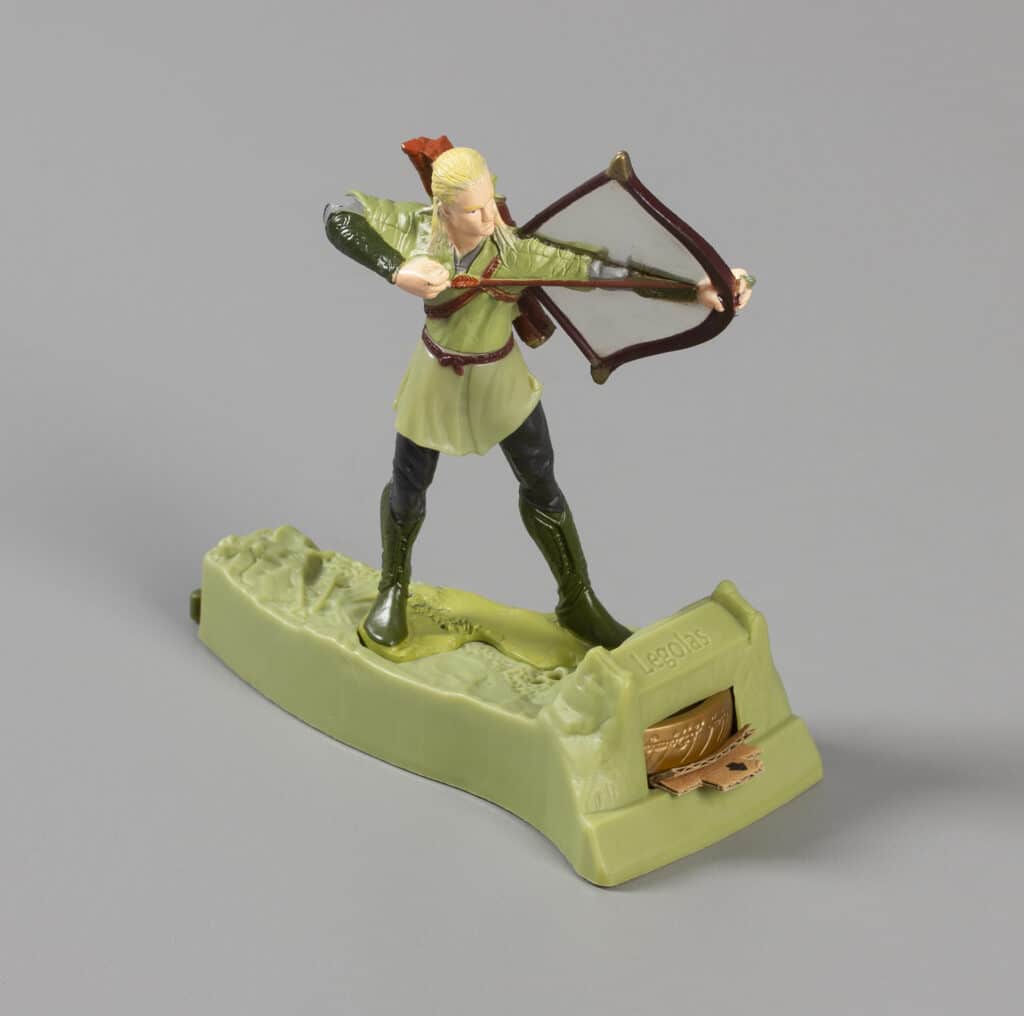
Current and upcoming movies make frequent appearances as toy premiums. I’m partial to the 2001 Lord of the Rings toys from Burger King that could all connect together. Long John Silvers issued toys promoting Free Willy 2 in 1995. Of course, TV shows also have starring roles. Burger King had a line of Teenage Mutant Ninja Turtle bike accessories in 1993, and Wendy’s featured Wishbone in 1996, to name a couple instances.
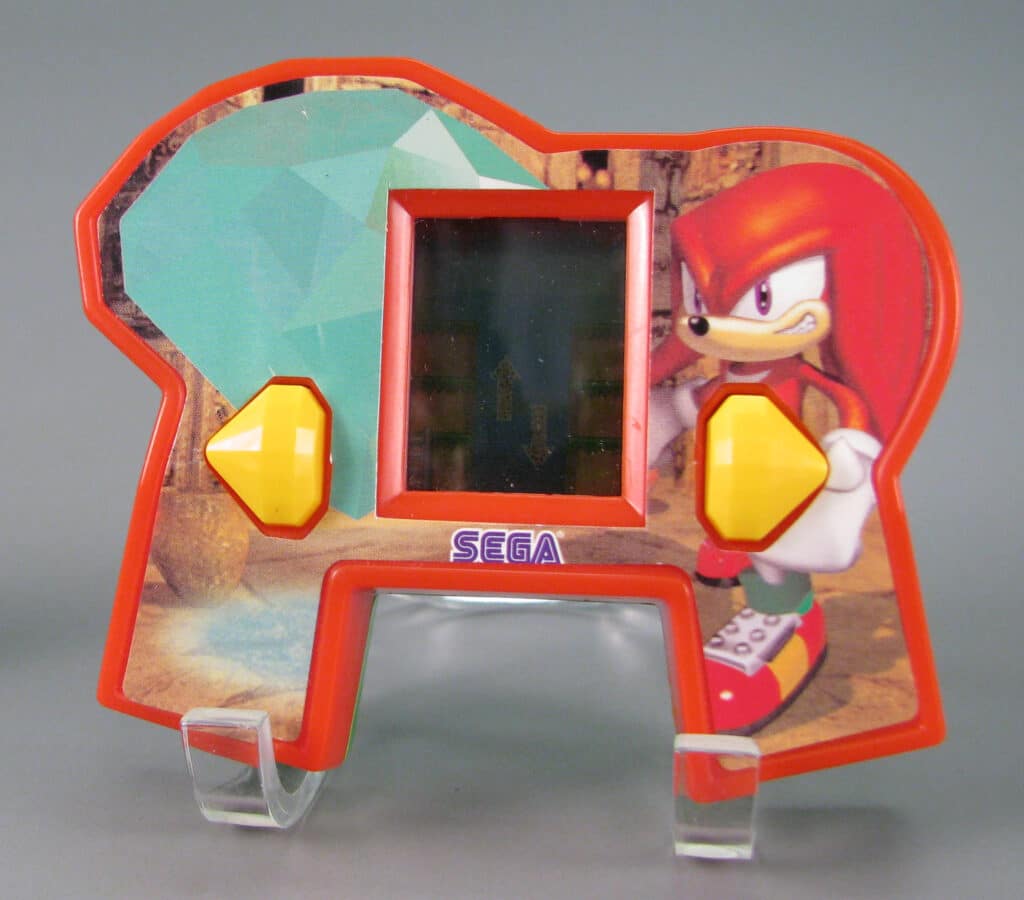
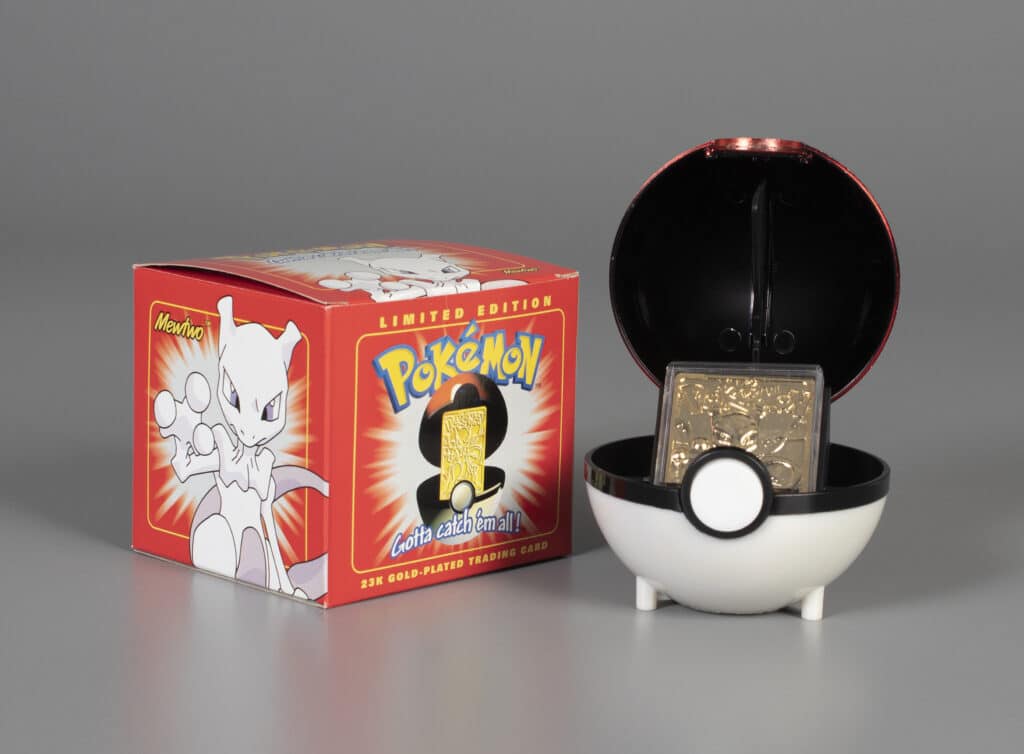
Even video game licenses are found in the world of fast food. I distinctly remember the small handheld games featuring Sonic the Hedgehog. Pokémon has and continues to be a popular license to feature in premiums (with good reason, its popularity has never died out!). In our collection, we have sets of the 23k gold plated cards that came in plastic Pokéballs for $1.99 with a meal purchase at Burger King in 1999 as well as the Pokémon power card toys from Burger King Kids Meals to promote the Pokémon 2000 movie.
Licensed toys continue to show up in current kids’ meals featuring popular media such as the recent Minecraft Movie toys at McDonald’s, Peppa Pig at Burger King, and DC Superheroes at Wendy’s.
Current Playstyles
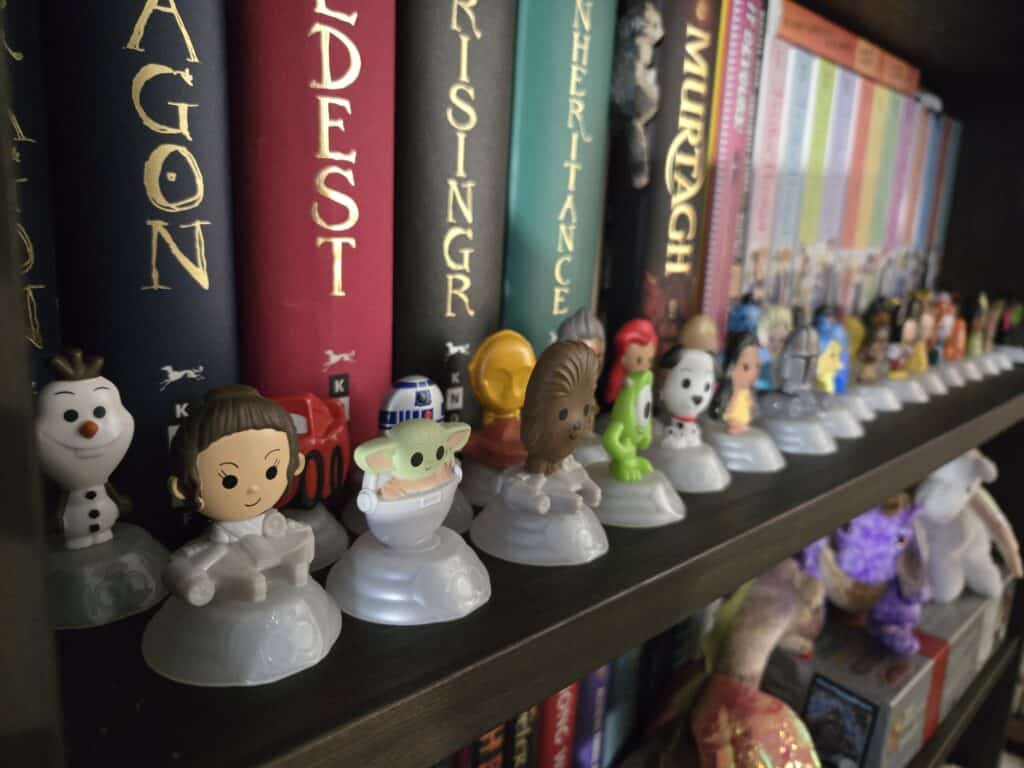
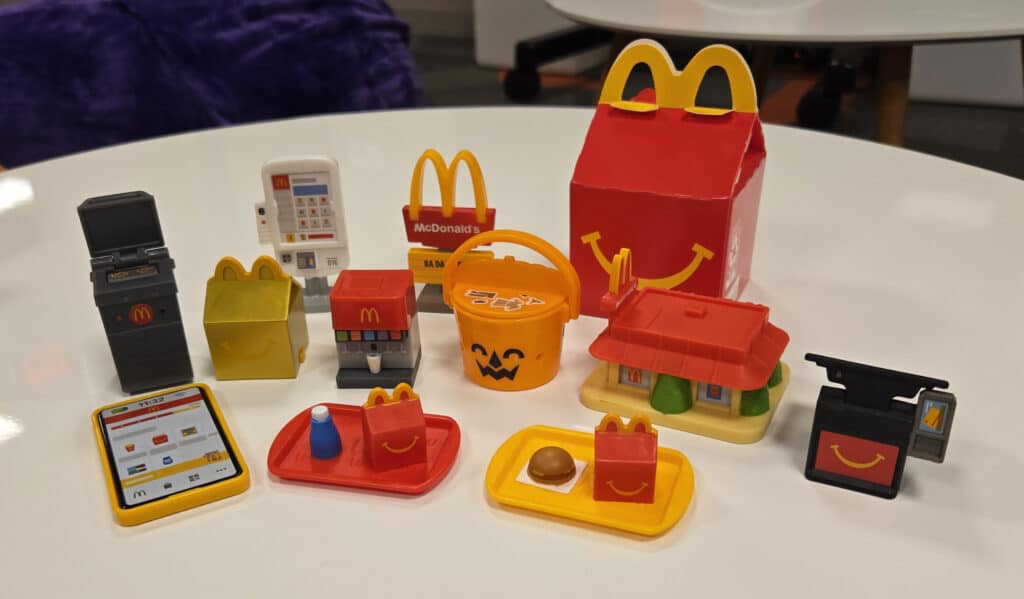
Beyond exhibiting popular licenses, fast food toys also document popular playstyles. The rise of blind boxes, collectible sets, and miniatures has had a clear impact on recent toy campaigns. McDonald’s Disney100 toys (2023), while throwing back to the 100 Years of Magic toys of 2002, capitalized on current blind box and collectible trends as did the Lil McDonald’s toys of 2025. Both lines of toys were fun for kids but also attracted many adults. I doubt it is a coincidence that, at a time when adults are a growing segment of the toy market, particularly in collectibles and blind boxes, that McDonald’s launched toys targeted directly to that market. I’ll confess, I was one of many adults who took to social media to trade duplicate toys with other grownups, some parents, others (like me) not.
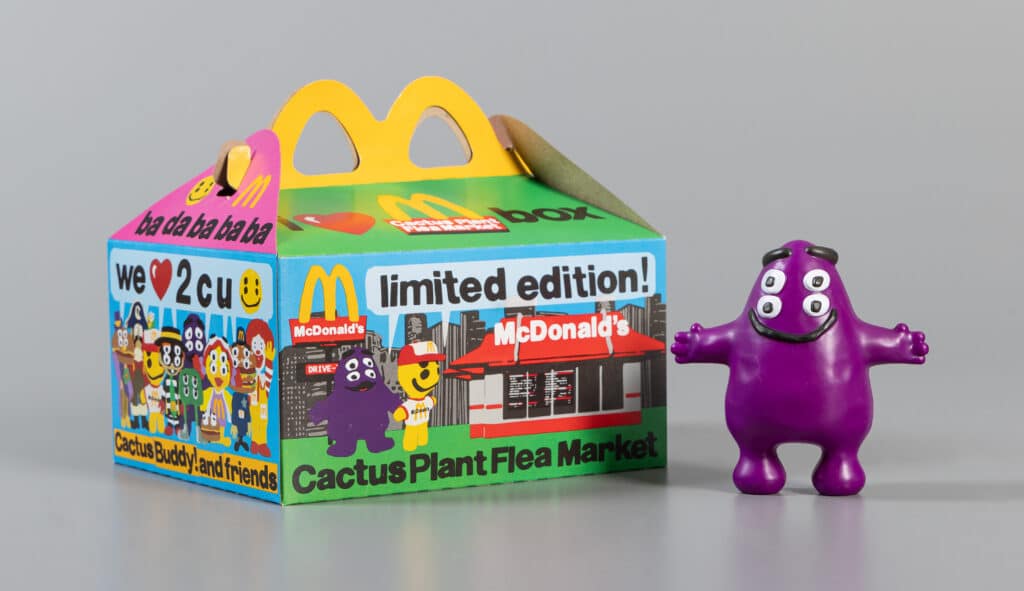
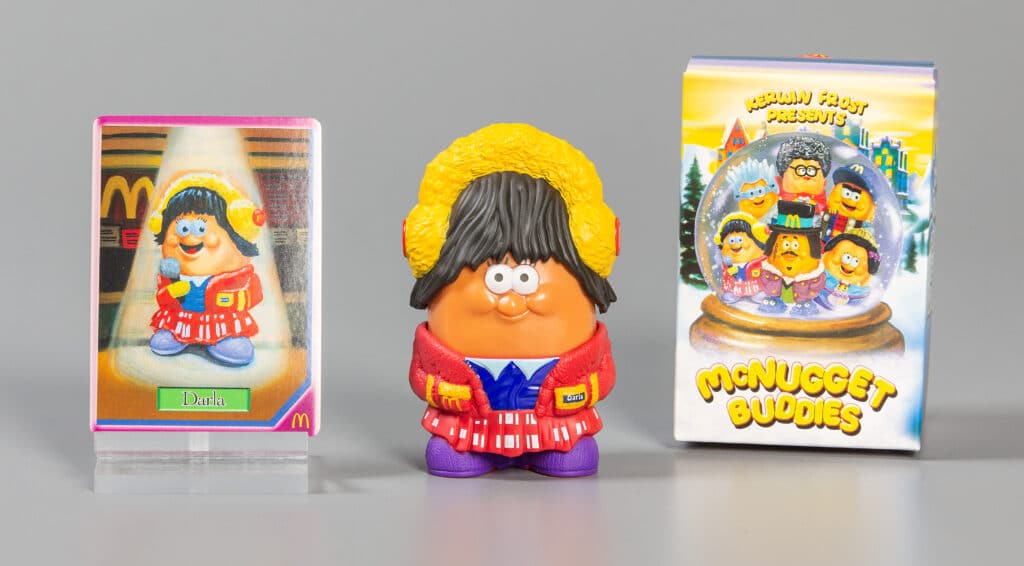
Nostalgia is also driving the adult segment of the current toy market, with licenses from the childhoods of Gen X and Millennials finding new popularity in products and toy reboots. McDonald’s has been using “adult Happy Meals” to benefit from the nostalgia market. The Kerwin Frost box in 2023 revived the McNugget Buddies, which had been little seen since the 1990s. Both the Cactus Plant Flea Market (2022) and McDonaldland (2025) boxes featured McDonald’s characters familiar in the 1970s, 80s, 90s, and early 2000s.
The Cultural Moment
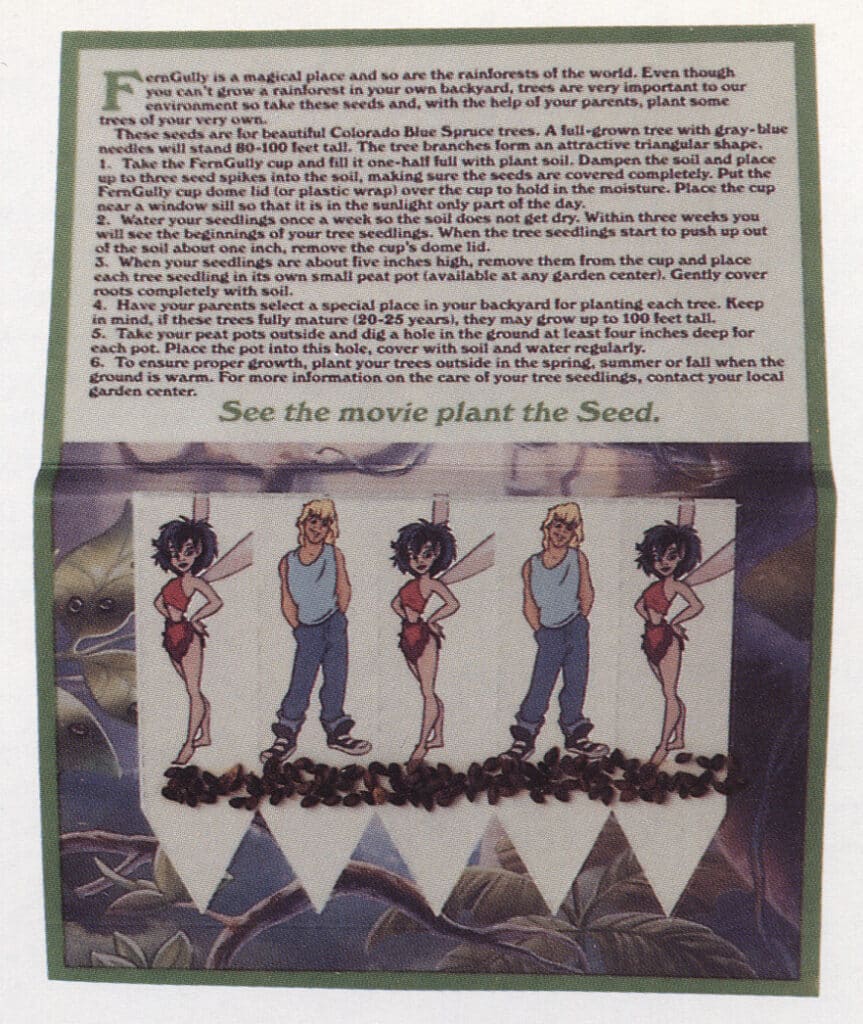
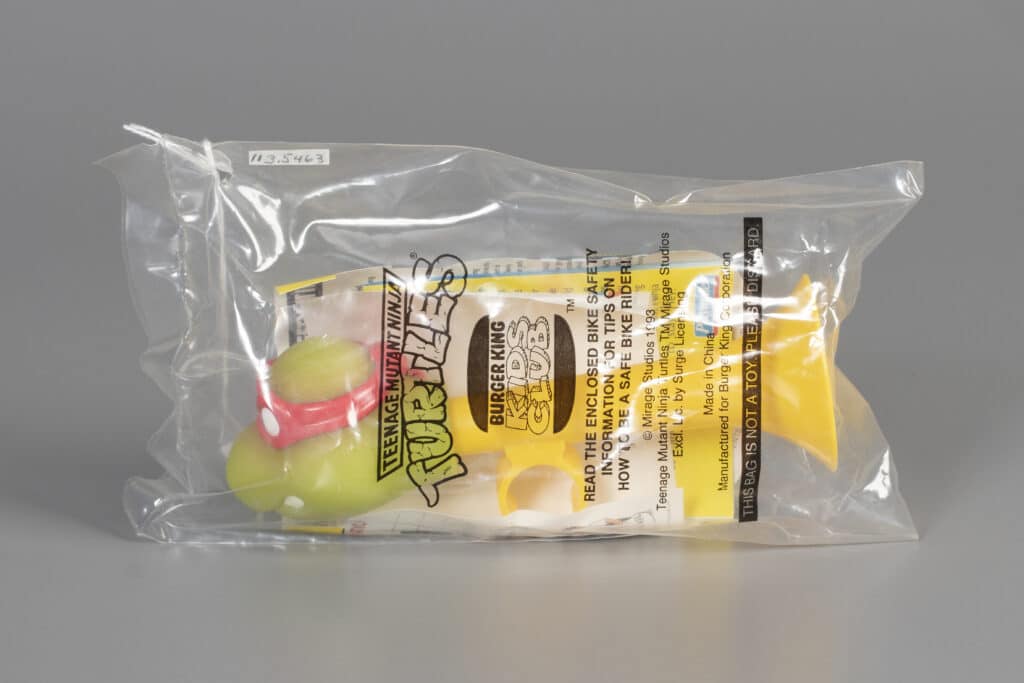
There is also something to be said about how fast food toys reflect how both individuals and corporations were thinking at the time of their production. Jonathan Alexandratos’ book Free with Every Kids’ Meal: The Cultural Impact of Fast Food Toys (2025) highlights the use of active toys to improve the health image of fast food restaurants, such as hackey sacks at Subway in 1993, Summer Fun toys at Wendy’s in 1991, or Burger King’s Teenage Mutant Ninja Turtle bike accessories in 1993. A toy line that tapped into the environmental consciousness of its time, McDonald’s 1993 Earth Days premiums featured a watering can, birdfeeder, and other items meant to help kids enjoy and appreciate nature. Subway offered Northrup seed packets with their Kids’ Pak Meal in 1991, and Pizza Hut had branded seed packets promoting the FernGully movie in 1992. Later, the societal push toward greener products would lead to efforts to decreased plastic use in premiums—in 2021 McDonald’s announced a move to reduce “virgin fossil fuel based plastics” in toys by 2025—and boxing toys instead of bagging them.
Marketing and Consumer Behavior
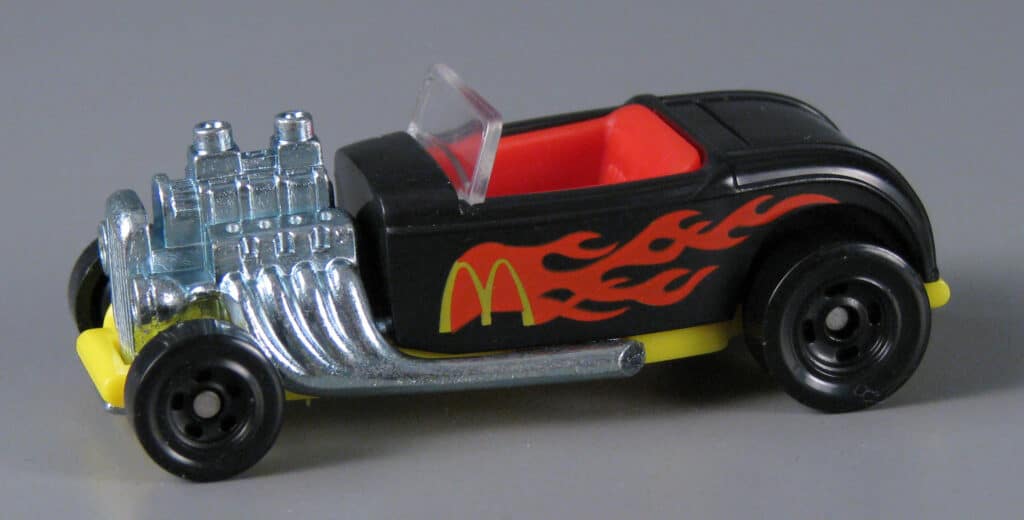
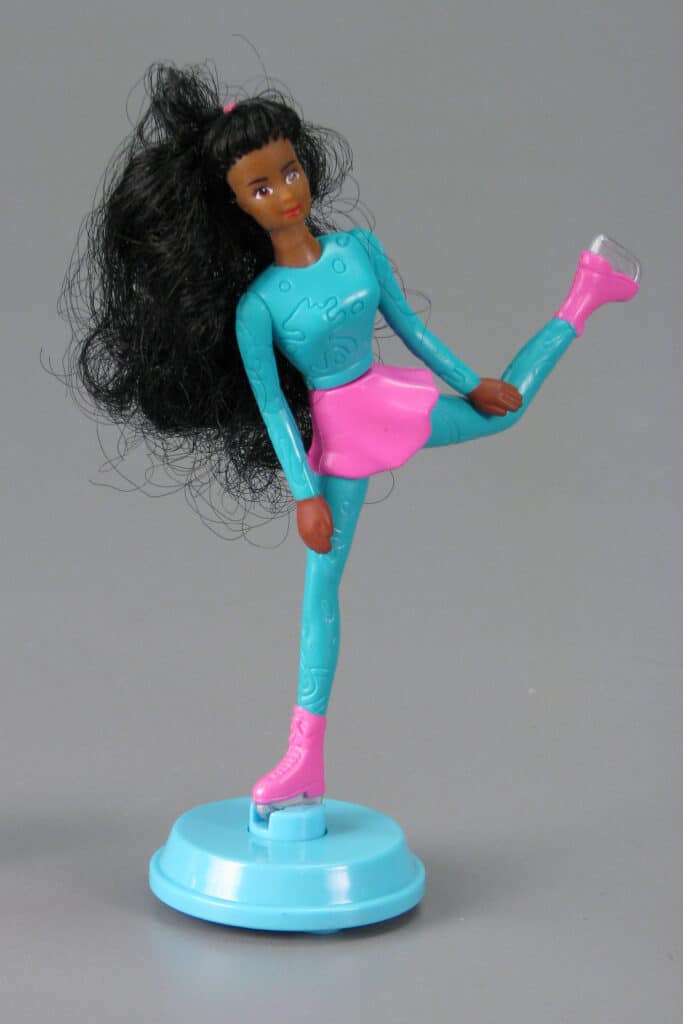
If you were a young patron of McDonald’s in the 1990s through the mid-2010s, your Happy Meal likely came with the question “Would you like a toy for a boy or a girl?” This was just one part of a larger world of gendered toys evidenced by toy aisles, toy buying habits, and pervasive gender norms often encouraged in children by adults. Most frequently, this boy or girl toy choice was between Hot Wheels and Barbie, but other gendered toy pairings included Transformers and My Little Pony, Bakugan and Hello Kitty, and Disney Princesses and Power Rangers. According to Alexandratos, between 1991 and 2019 there were 125 toy campaigns that included “either implicit or explicit gender binary.” They explain that while the company officially changed the boy/girl language around 2014, gendering did persist. The binary of toys can be unpacked in great detail, as scholars like Alexandratos do but in short, it can be seen as a reflection of market segmentation, consumer demands, and consumer attitudes, all of which continue to change. However, the last few years have seen a decrease in dual toy campaigns in general, likely responding to the gradual move away from gendering toys in the broader toy market. Boy/girl toy marketing is just one example of how the choices made about toy premiums speak to the way companies see their customers and the way consumers interact with the market.
Our Role
As a history museum focused on play, fast food toys and other premiums enter The Strong’s collection as an important part of the historical record. The ways they illustrate the trends of their time and their cultural context turns each restaurant’s sequence of toys into a useful timeline. Each toy becomes a small window into its moment in time. Our entire collection of toys is a bit like this, as every toy is in conversation with the context of its creation and use, telling us about the people who created it, purchased it, and used it while also reflecting their influence. Fast food toys provide another angle of approach in preserving that history, of which it is an essential part.
