



Where can one find a good children’s book in The Strong Museum? The answer is almost everywhere in the museum’s two separate libraries—the Grada Hopeman Gelser mini-branch that is part of the Monroe County Library System (MCLS) and the Brian Sutton-Smith Library and Archives of Play. Both libraries are full of old and new children’s books. Why might that be? Well, children’s literature is a way of learning through the playfulness of storytelling, a major avenue of artistic expression, interacting with or inspiring other forms of play (even into adulthood), plus it’s simply fun to read! For all those reasons, children’s books are always on hand at The Strong to celebrate that close link to all manner of playthings.
A children’s public library collection throughout a museum is an uncommon idea but that is exactly what the Gelser mini-branch library is. Found throughout the museum—the lobby, the Adams Atrium, and tucked into each exhibit—you will see shelves of books ready for exploration. Although it might not at first appear to be a public library, indeed it is. Anyone with a valid MCLS library card can check out books at the self-serve kiosks in the lobby and atrium and return them on your next visit to The Strong or to your own local branch. The books are there to enrich your museum experience while sharing the delight of children’s and young adult literature, all related to the themes, characters, and ideas in each exhibit. Grada Hopeman Gelser’s generous 1999 donation allowed the library to be created and continues to support its operation and add new books continuously. That’s more than 25 years of book fun for the guests of the museum!
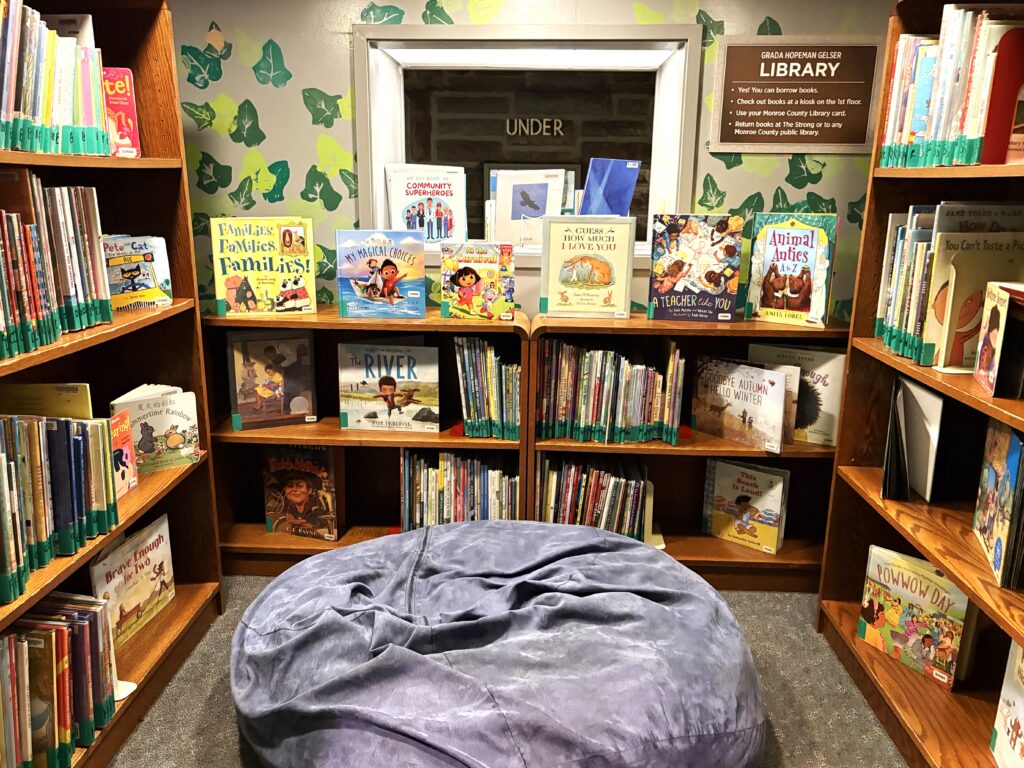
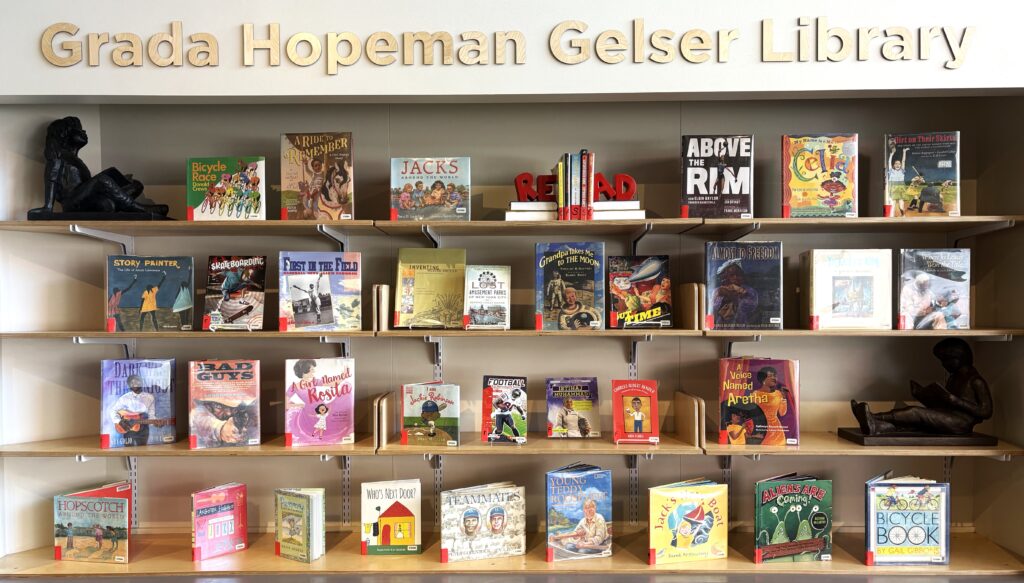
By far, the most popular of these books are the ones devoted to the Berenstain Bears. Year after year, these titles are unquestionably the favorites and rank highest in checkouts. In fact, so far in 2025, 14 of the 15 most popular Gelser books are Berenstain titles! Another fan favorite among is the reading nook in the Sesame Street exhibit. There you’ll find books that relate to the ideas that Sesame Street shares on TV—getting to know letters and numbers, meeting and interacting with new people and old friends, and starting to learn about the world around us every day. One new section this year has been Favorite Picture books area in the museum’s lobby. This specially curated collection of enduring, popular picture books—some might call them “classics”—include tales such as Blueberries for Sal by Robert McCloskey (1948), the many titles about Curious George, Maurice Sendak’s Where the Wild Things Are, Faith Ringgold’s multiple award-winning Tar Beach (1991), The Dot (2003) by Peter Reynolds, a good selection of Moomin books by the Finnish artist Tove Janson, and several hundred others to discover. Per the theme, these books have proven to be crowd pleasers for the museum’s guests. It’s worth lingering in the lobby to find an old favorite to share with the family.
The other library is the Brian Sutton-Smith Library and Archives of Play, located on the third floor. It’s an appointment-only research library that houses one of the nation’s largest collections of resources on the subject of play. This research library holds both published materials (books and magazines) and unpublished ones (documents, business records, and personal papers). Those resources help museum staff who are creating exhibits or researching playthings for the object collections. Furthermore, for researchers, the children’s literature collection documents the interconnectedness of toys, books, games, and play culture. Some of these books are not only historical objects themselves but also help inform the histories of toys, games, and video games. This collection is open by appointment (Monday-Friday with one-week advance notice, please) for researchers, enthusiasts, or the simply curious.
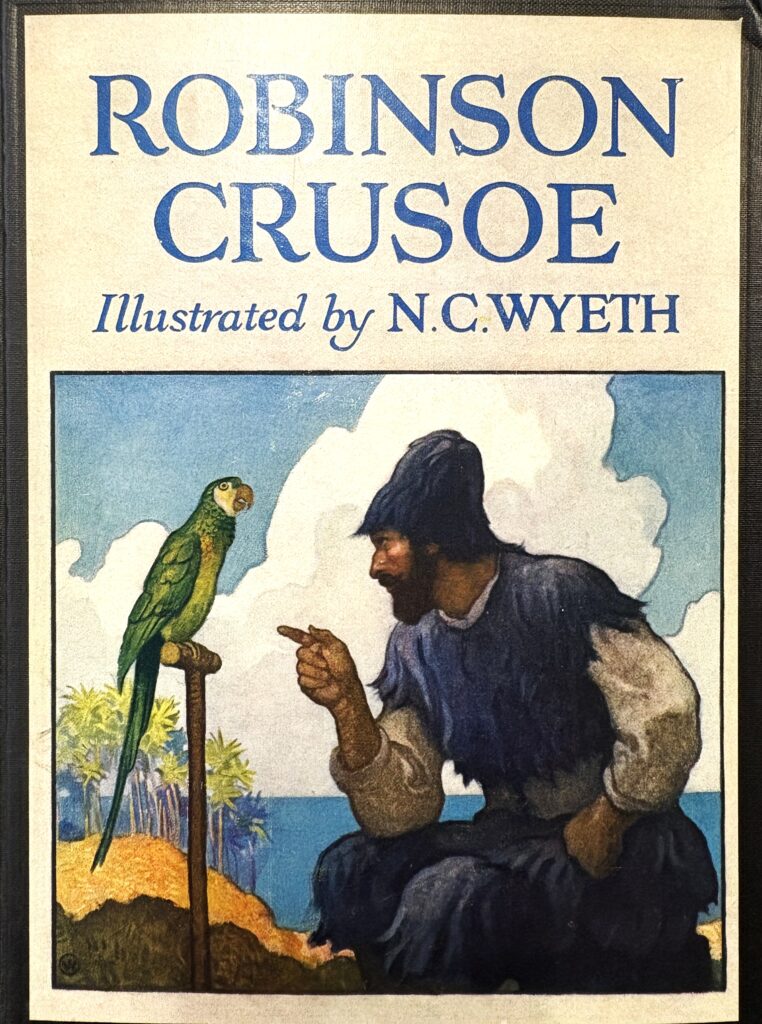
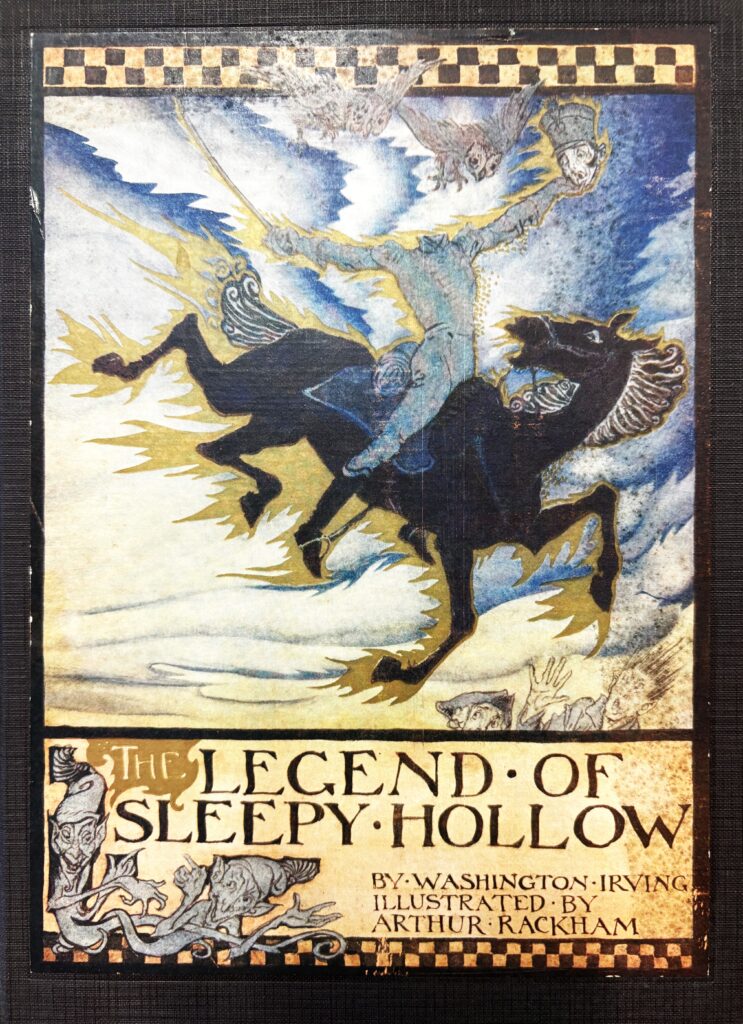
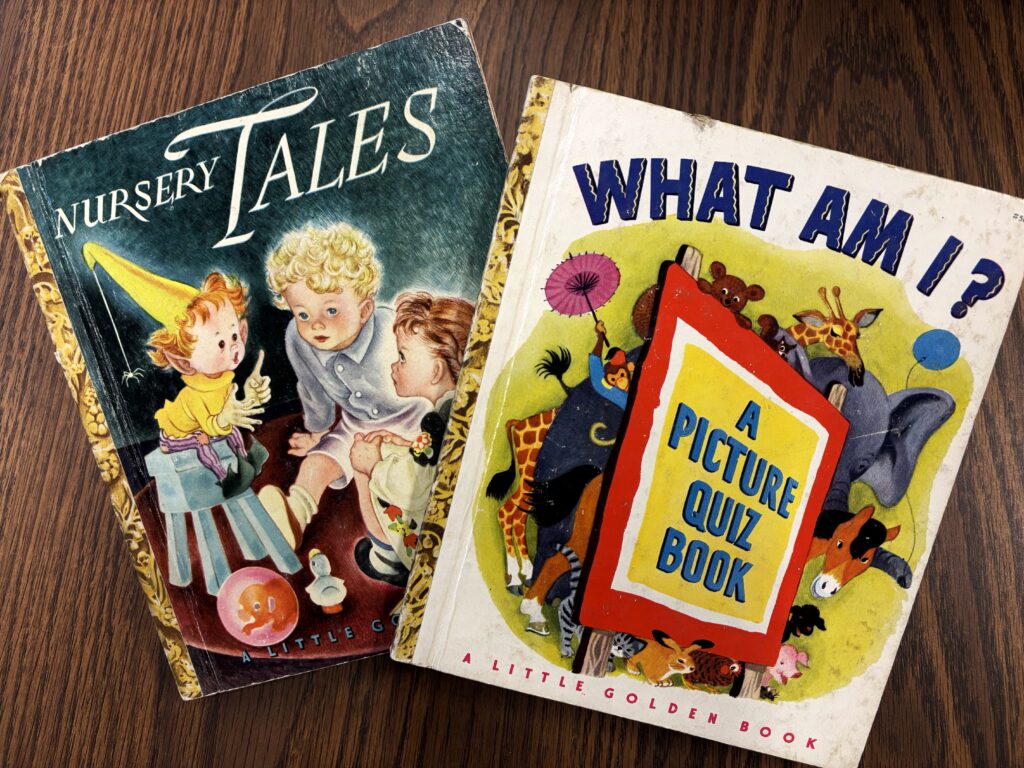
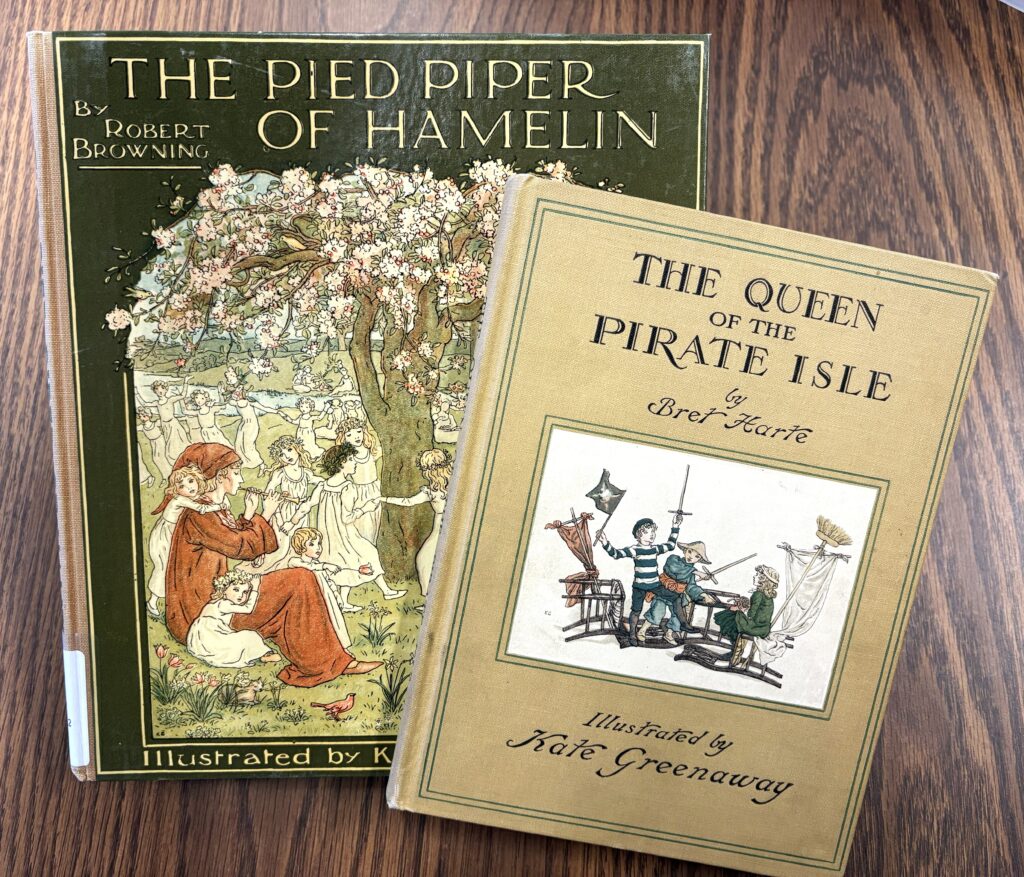
At the core of the Brian Sutton Smith Library and Archives of Play collection are contributions from the museum’s founding benefactor, Margaret Woodbury Strong. She voraciously collected playthings, including children’s books. Among those are books illustrated by the masterful Arthur Rackham; volumes exhibiting Kate Greenaway’s 19th-century rural English charm; swashbuckling adventures illustrated by N. C. Wyeth; and the impish mischievousness of Brownies books by Palmer Cox (For more on this series, please see Brownies: From Folklore to Kodak Cameras – The Strong National Museum of Play). Later donations and purchases have enriched the library’s breadth and depth of children’s literature. In 2017, collector Brian Shultz donated more than 1,200 Little Golden Books, expanding our holdings of this important and popular publisher, starting with the earliest titles in 1940. A recent gift from the estate of Margaret Kane Carney has yet to be cataloged and made available but is an interesting one with more than 500 titles from Platt & Munk, a distinguished publisher of children’s books. It offers a glimpse of the evolution of children’s books by one publisher over several decades
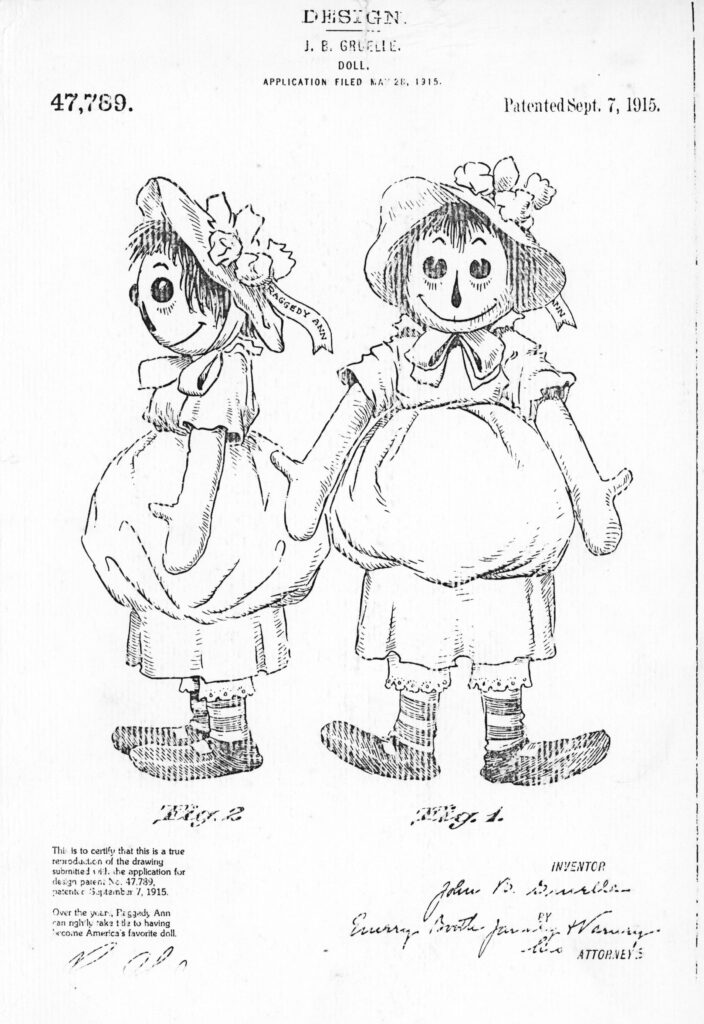
There are still more gems in the Brian Sutton-Smith Library and Archives of Play, particularly for Raggedy Ann fans. They will find everything from a rare album of Raggedy Ann cosplay compiled by Raggedy Ann expert Andrew Tabbat to contributions from members of the family of Johnny Gruelle, the creator of Raggedy Ann. The family founded the Johnny Gruelle Raggedy Ann and Andy Museum in Arcola, Illinois, featuring manuscripts, correspondence, artwork, cartoons, newspaper articles, periodicals, printed stories, photographs, genealogical information, and personal materials belonging to and/or created by three generations of Gruelle family members. In 2009, the Raggedy Ann and Andy Museum closed, but its collections live on in The Strong’s holdings.
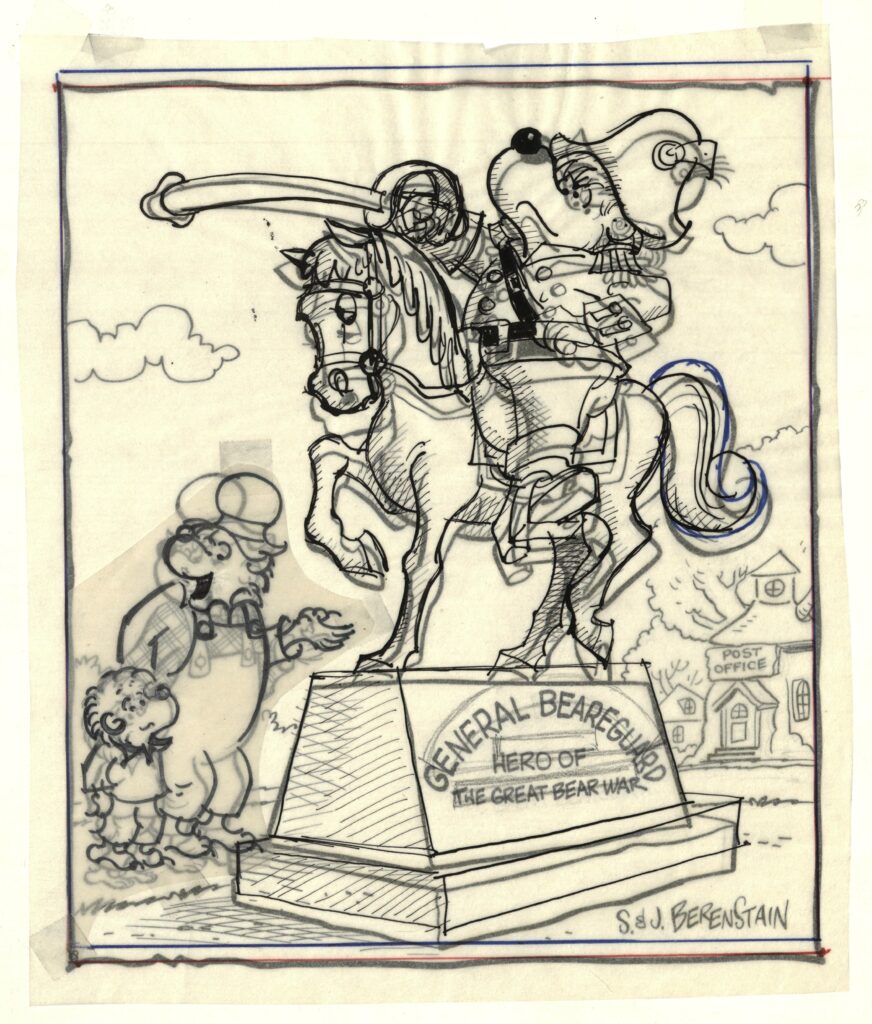
Lastly, the Berenstain Bears are richly represented in the archives as well. The research collections include the papers of Jan and Stan Berenstain, the American illustrators and writers, best known for their longrunning children’s book series, The Berenstain Bears. Over multiple decades, the duo authored more than 200 Berenstain Bears books, often based on real-life experiences of Berenstain family members. These books inspired animated television programs, video games, plush toys, and other merchandise. This collection comprises sketches, notes, scripts, storyboards, publisher proofs, advertisements, manuscripts, correspondence, and other artwork created by Stan and Jan Berenstain, both for the Berenstain Bears series and also for their other popular comics such as the “It’s All in the Family” series that ran in publications such as McCall’s and Good Housekeeping
To ask a question or make a research appointment, please contact library@museumofplay.org
