



My childhood Pokémon cards are still sitting in a red tacklebox at my mom’s house. Like many kids my age, I lovingly organized my cards and showed all my favorites off to my very patient grandparents. I never quite grasped the game, but the cards were a delight to collect. I’d even break tornado warning protocol to run upstairs for my cards before rushing down to the basement. Today, I can’t believe that I get to herald the Pokémon Trading Card Game’s induction into the National Toy Hall of Fame.
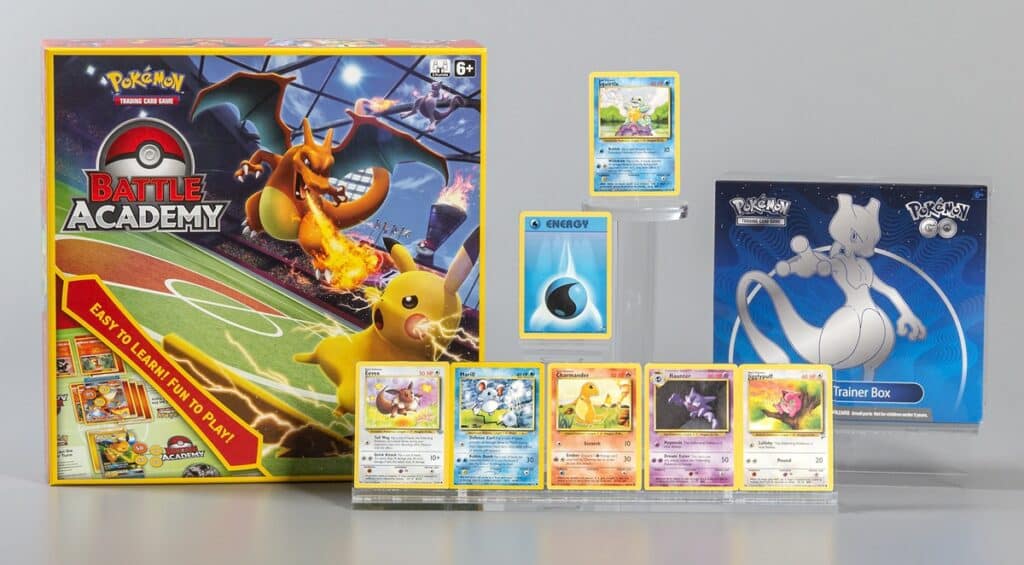
The Pokémon Trading Card Game, often abbreviated as Pokémon TCG, was initially released in Japan in 1996, following shortly after the Pokémon role-playing video games for the Nintendo Game Boy. By 1998, the video games had brought their compelling monster collecting gameplay to the United States, prompting the subsequent localization of the TCG. The burgeoning Pokémon franchise proved to be a perfect match for the growing collectible card game genre. Popularized by the 1993 release of Magic: The Gathering, collectible card games distribute their cards in randomized booster packs from which players construct customized decks and pit them against each other. In the TCG, Pokémon creatures became physical cards that players could collect, trade, and battle just like the video games.
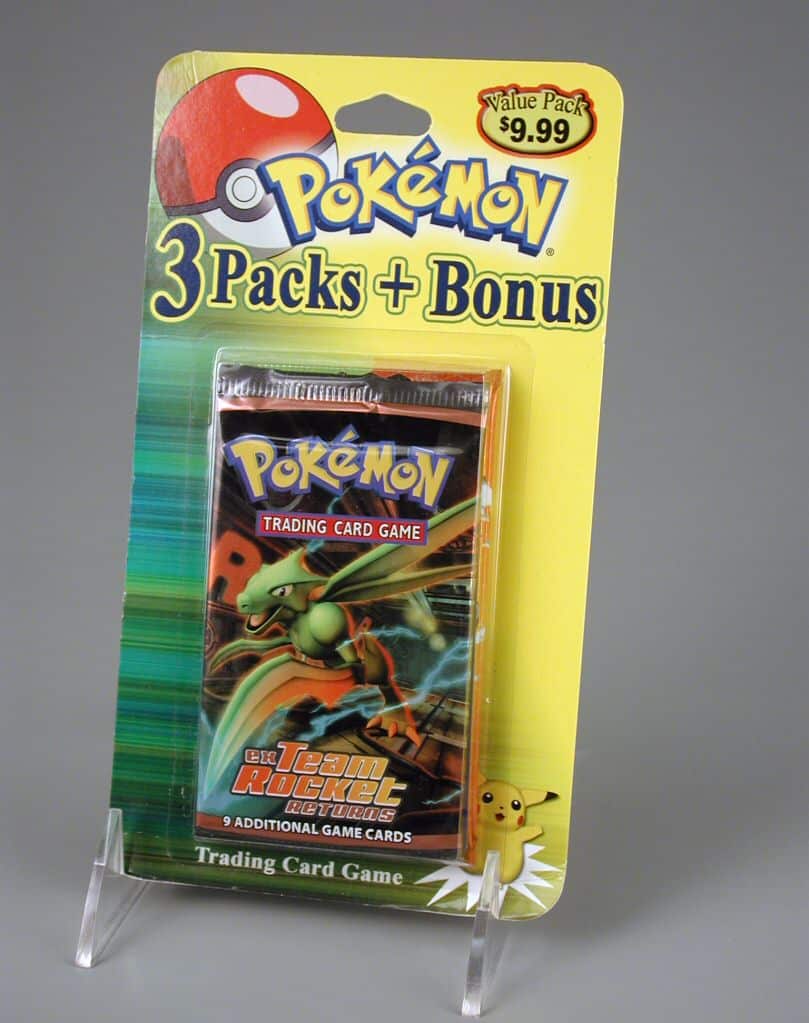
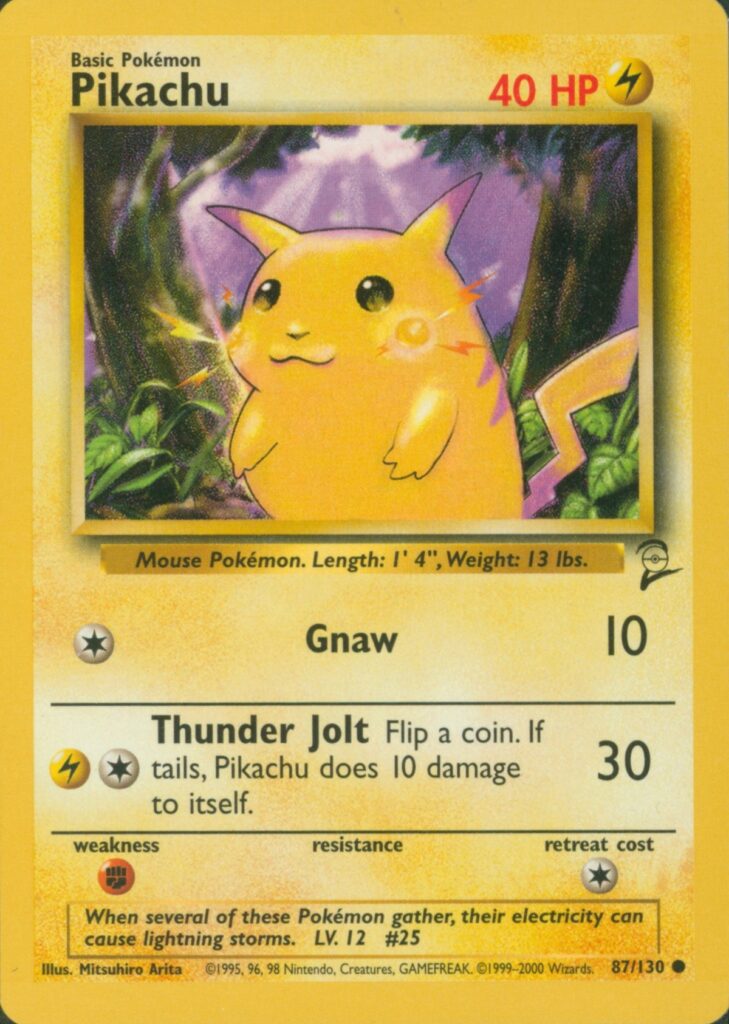
Compared to other collectible card games, The Pokémon TCG is renowned for its relative accessibility to players of diverse ages and backgrounds. The game’s mechanics are straightforward and can be grasped within a single game. Two players, each using a deck of 60 cards featuring Pokémon creatures, trainers, and items, engage in battle until one emerges victorious. The game is simple for beginners to learn but complex enough to stay engaging for experienced players. The game’s accessibility is further enhanced by the affordability of pre-made entry-level decks and the availability of a free-to-play digital version.
The Pokémon TCG has played a pivotal role in popularizing the concept of trading card games and has served as an entryway into the hobby for millions. The TCG even spawned two games for the Game Boy, completing the circle back to its video game origins. Today, many players open digital card packs and compete online in a new video game adaptation for mobile devices. In the physical realm, Pokémon cards have recently become the focus of major financial speculation. Online viewers watch content creators “rip,” or open, TCG packs, in the hope of finding valuable, rare cards. Particularly desirable are “full art” cards featuring artwork covering nearly the entire card.
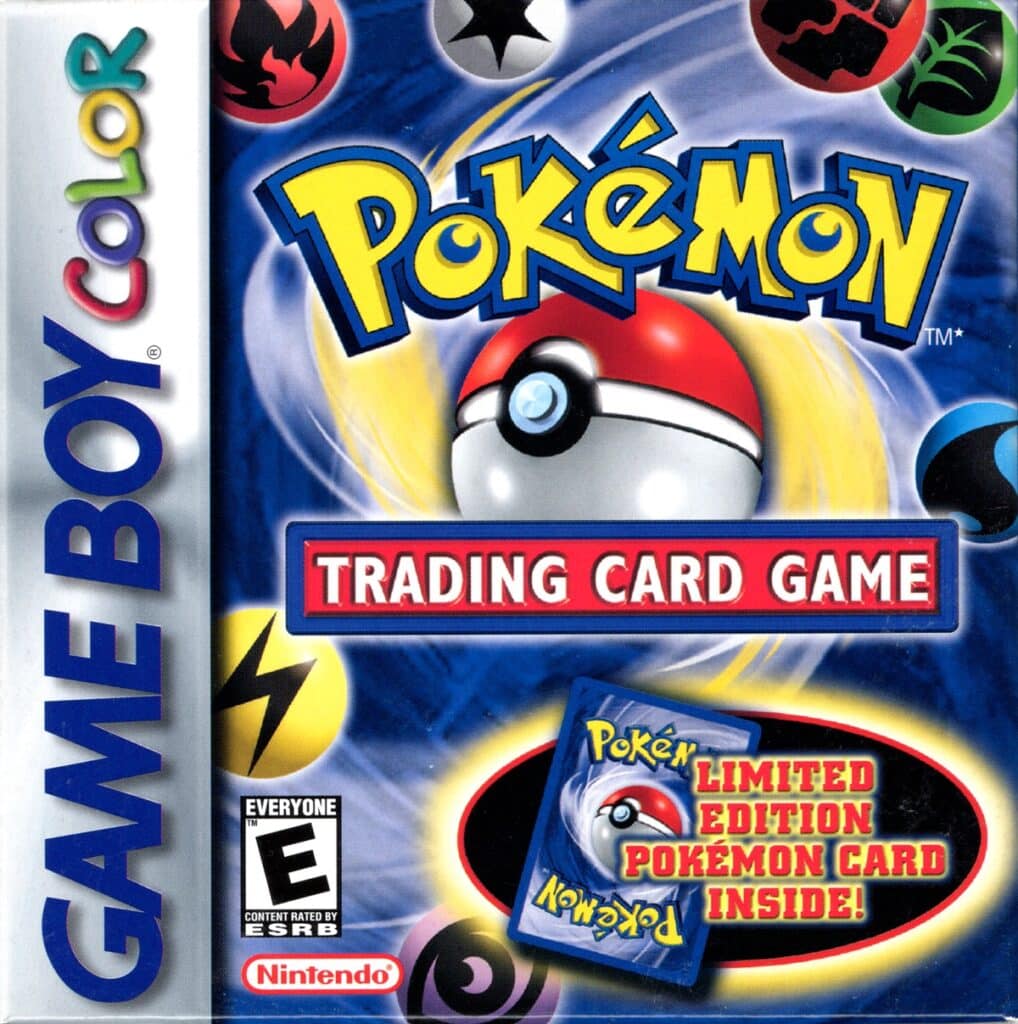
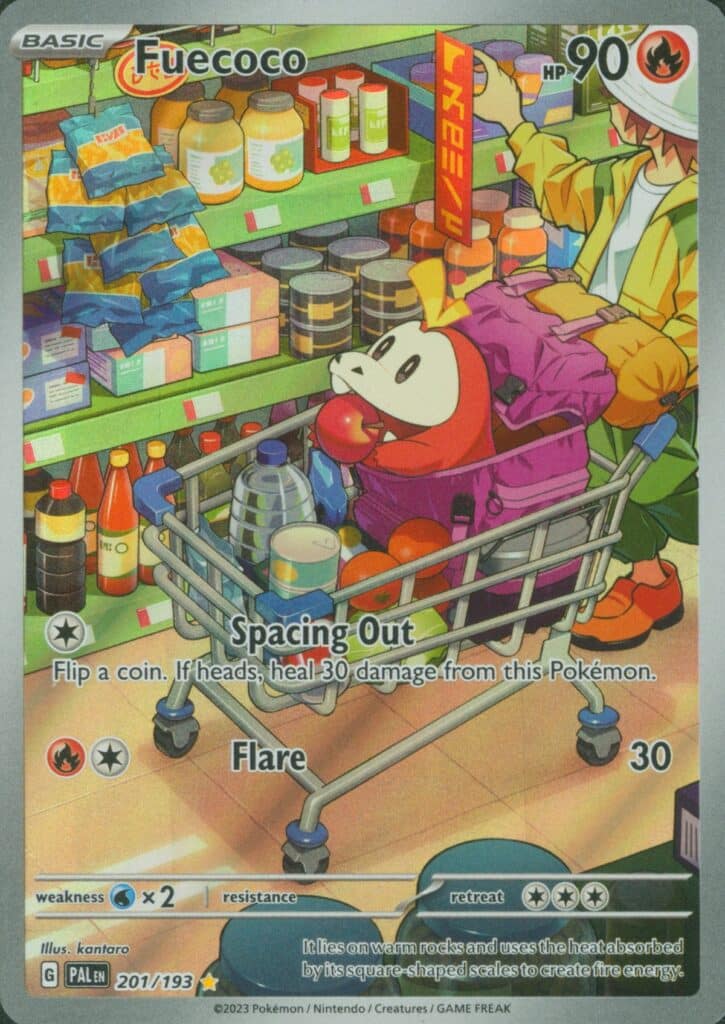
The Pokémon TCG’s appeal is undeniable. As of March 2026, more than 85 billion cards have been produced globally. The TCG has been translated into 16 languages and distributed in more than 90 countries and regions worldwide. At the museum, my colleagues and I had a wonderful time sorting through a recent donation of thousands of Pokémon cards. Passing around our favorite finds brought me back to a childhood spent with my beloved cards. I’ll have to pay my collection a visit next time I’m home.

