



A museum about play tends to attract employees who love to play, and that leads to office conversations about toys we’ve seen recently, how our new hobbies are going and, of course, what video games we’re playing. Recently, some colleagues and I were chatting about what we would be playing when we got home and I, realizing how I was about to sound, answered Two Point Museum. I could see in their eyes a lack of recognition and dug my hole deeper. “It’s a museum simulator…” I trailed off. As I could see the smirks forming on their faces, I quickly defended, “But it’s not really like working in an actual museum! You can make a museum of ghosts and stuff!” So, it isn’t the same thing. I still have work-life balance, I thought to myself. Yes, okay, I play a museum simulator after going home from working in a museum. It’s true. But it is different (I promise!). In fact, video game museums extend well beyond Two Point Museum, sometimes capturing aspects of our work accurately and other times appearing starkly different.
Pokémon LeafGreen
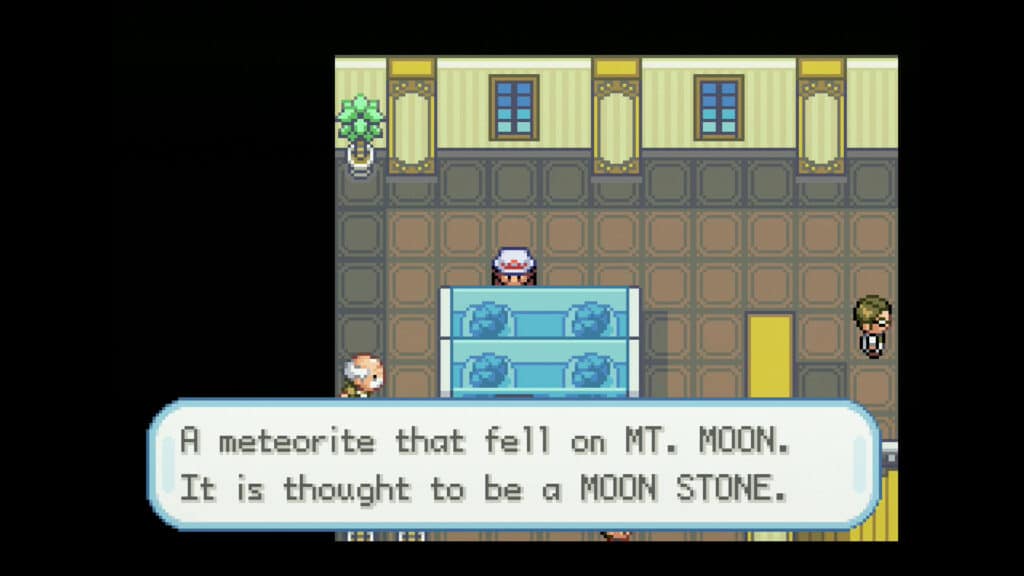
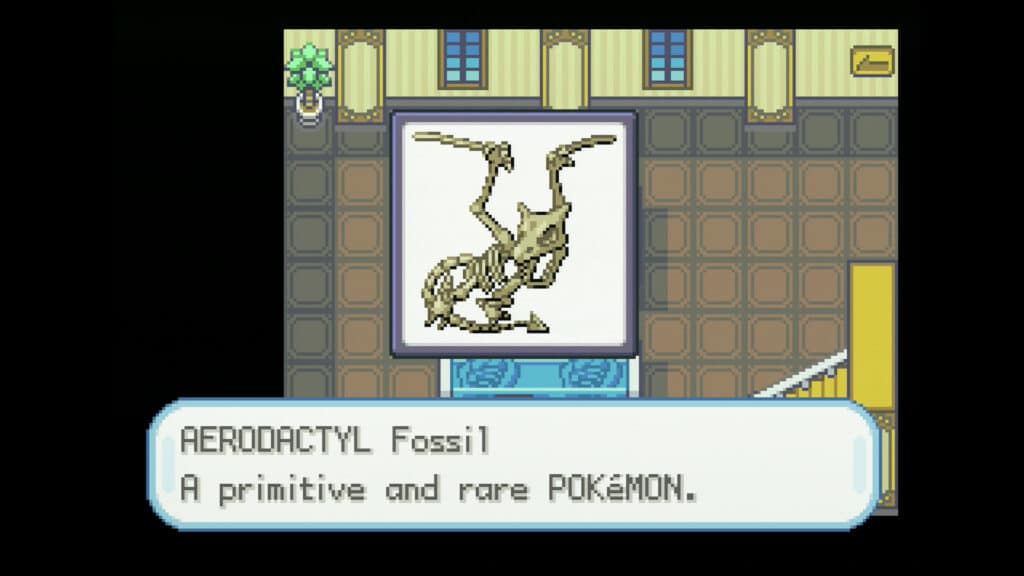
My first visit to a video game museum, or rather a museum in a video game, was in the Pokémon franchise. The Pewter Museum of Science in Pokémon LeafGreen shows off the skeletons of ancient Pokémon like Aerodactyl and Kabutops in the paleontology exhibit and a space shuttle and space rock found on Mt. Moon in the space exhibit. Those exhibits are neat, but this museum’s story goes beyond the exhibition. This is also where I must caution that you should not base your museum expectations on the Pewter Museum of Science. You should not have a Pokémon use the move Cut to take down a tree in the backyard of a museum, enter through a secret side door, and start chatting with the scientists in the back. If you do this in real life, you won’t succeed and will likely be arrested. You definitely won’t be given some amber by a scientist asking you to bring it to a research lab where you’ll be able to revive it Jurassic Park-style into an actual ancient Pokémon. You also won’t be taught the Pokémon move Seismic Toss by one of the scientists (whose lab you just snuck into). Remember, paying the entry fee and visiting exhibits is normal museum behavior, but sneaking in the back will not go smoothly.
Pokémon Legends: Z-A
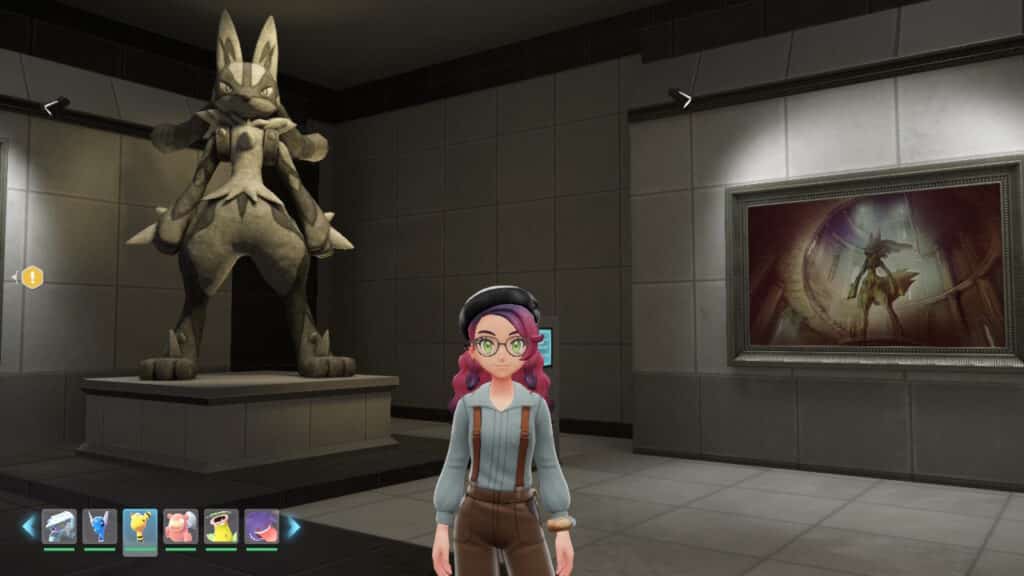
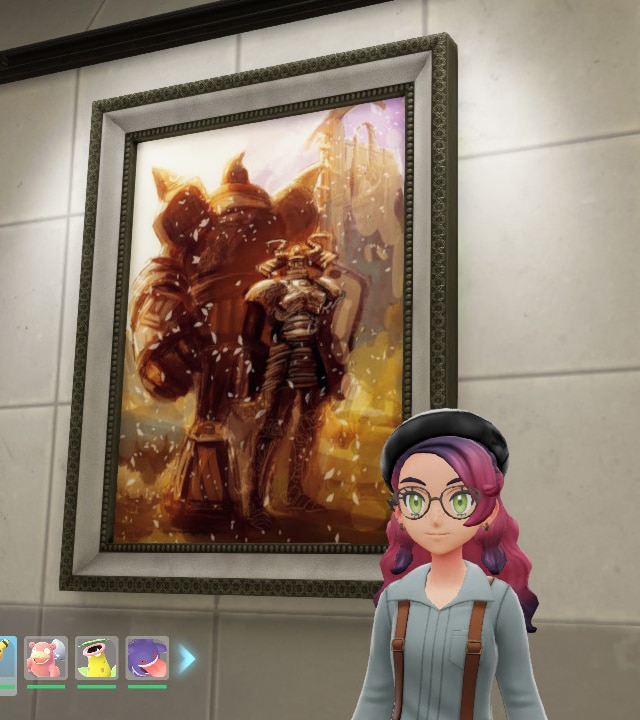
Speaking of Pokémon museums, it is truly amazing how they have evolved over the years. Lately, I’ve been playing Pokémon Legends: Z-A, and the Lumiose City Museum is a truly magical experience. The galleries are filled with artwork featuring a variety of styles and many Pokémon as subjects. The painting Golurk and the Knight is a favorite of mine. The replica Mega Lucario statue is magnificent not only in its scale, but also in the fantastic job the curators and exhibition designers did in highlighting it with lighting and placement. The special exhibition, Hisui: The Grand Exhibition, is really something special, calling back to Pokémon Legends: Arceus. But not everything is typical in this museum either, for a couple has lost 12 Spewpa in the museum, many of which are now hanging out in various exhibits. How were the Spewpa allowed out of their Pokéballs? Why is there no staff response to Pokémon in artifact displays? It seems to me a dereliction of proper collections care to allow such behavior.
Animal Crossing: Wild World
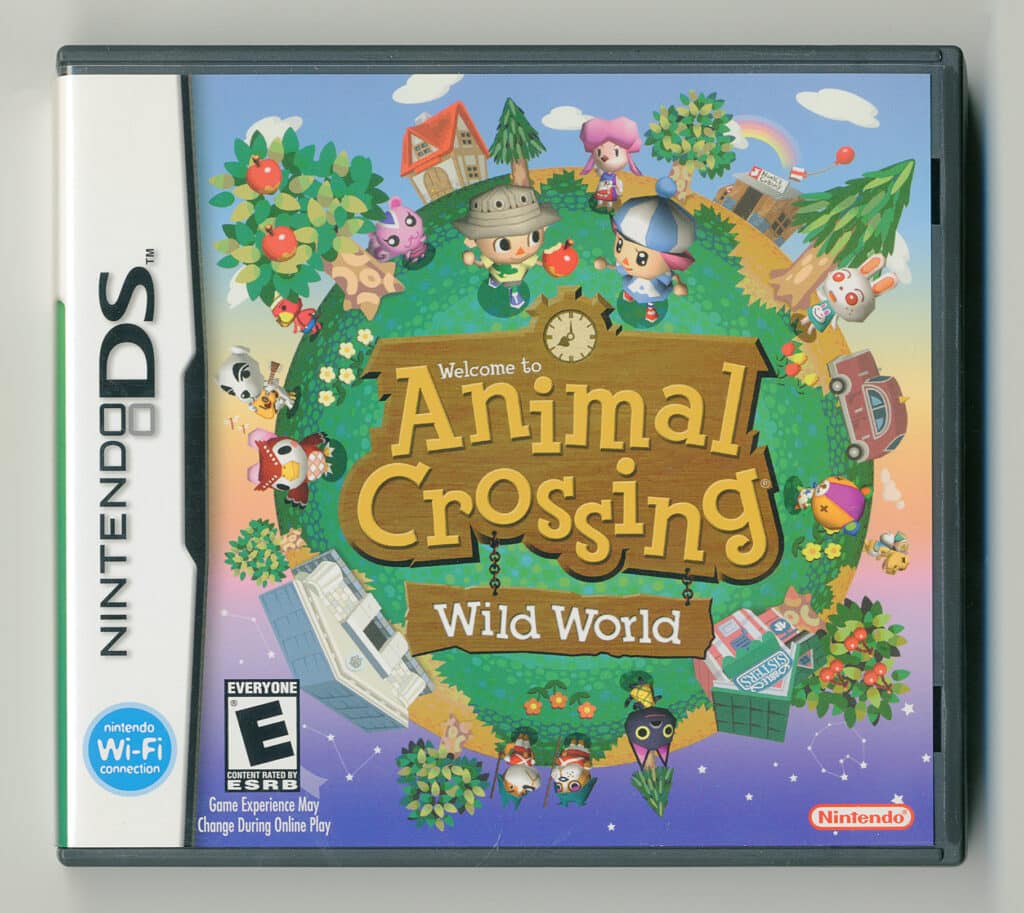
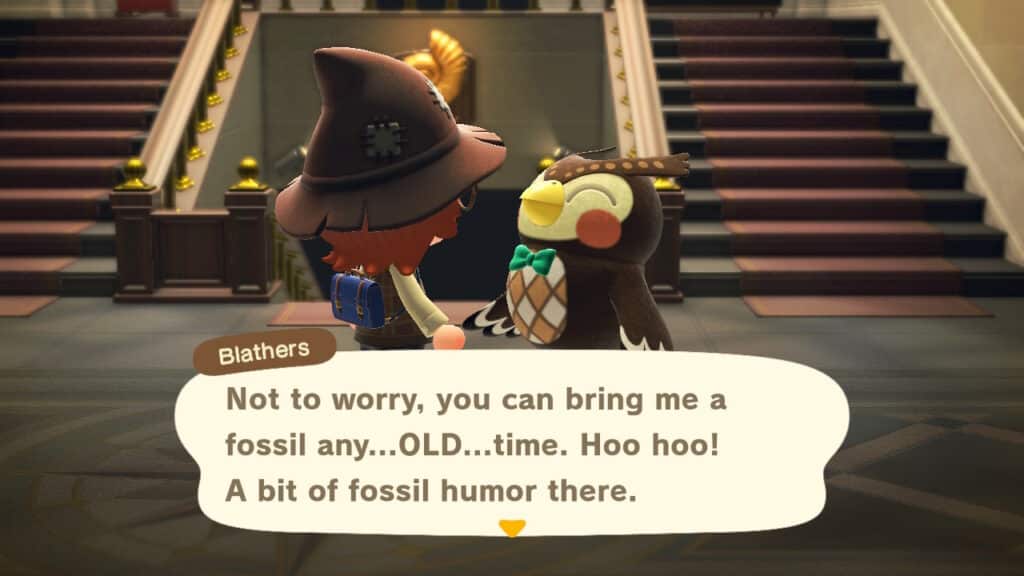
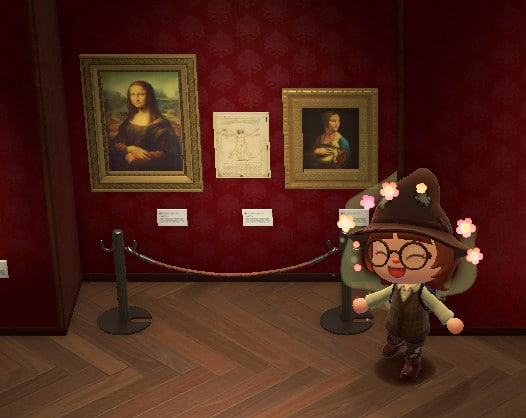
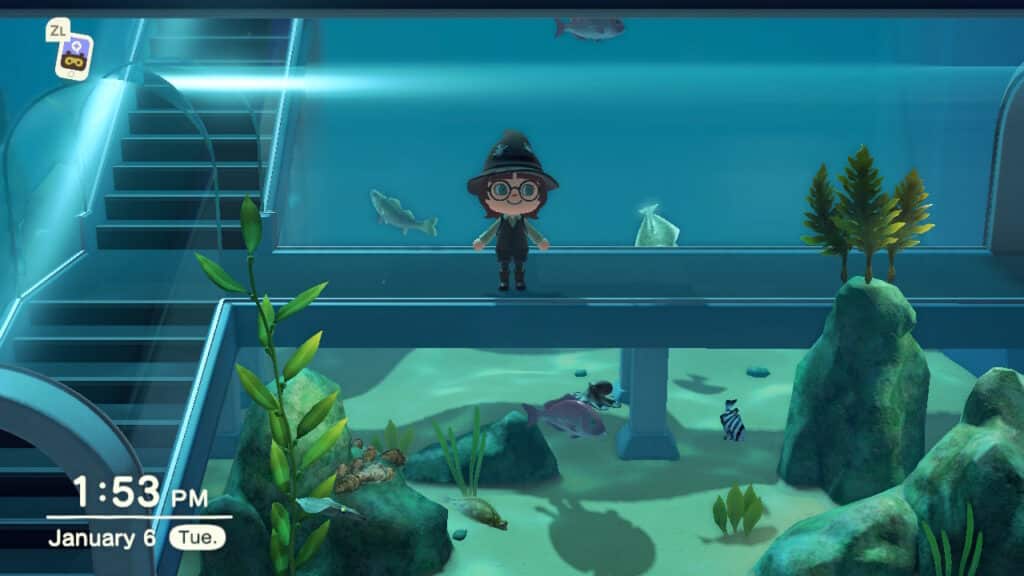
My next video game museum experience was likely in Animal Crossing: Wild World with my favorite curator Blathers. Blathers manages to run the museum completely on his own, acting as curator while doing every other job you can think of: cleaning, caring for live collections, maintenance, exhibit construction, finances, fundraising, and conservation, to name a few. His sister Celeste sequesters herself in the observatory and Brewster runs the coffee shop, but the rest is up to Blathers. His curatorial expertise also runs the gamut, maintaining exhibits of fossils, bugs, fish, and art. I’m seriously interested to know how much training Blathers went through to gain such a high level of expertise in such a diverse array of fields. In addition to his abilities as a curator, Blathers also does his best to maintain museum ethics. While the player’s character is constantly asking for Blathers’ assessments of fossils, he carefully identifies them while only accepting donations of objects or creatures that do not duplicate the current collections. He has a clearly defined collecting plan that considers his museum’s capacity and goals and uses this to guide his decisions. While he mentions that he wishes he could acquire duplicates for his own collection, he stops himself as he knows it would be unethical to do so. In Animal Crossing: New Horizons, Blathers has really upgraded the museum, adding engaging displays like the fossil timeline and immersive environments such as the deep sea galleries.
Two Point Museum
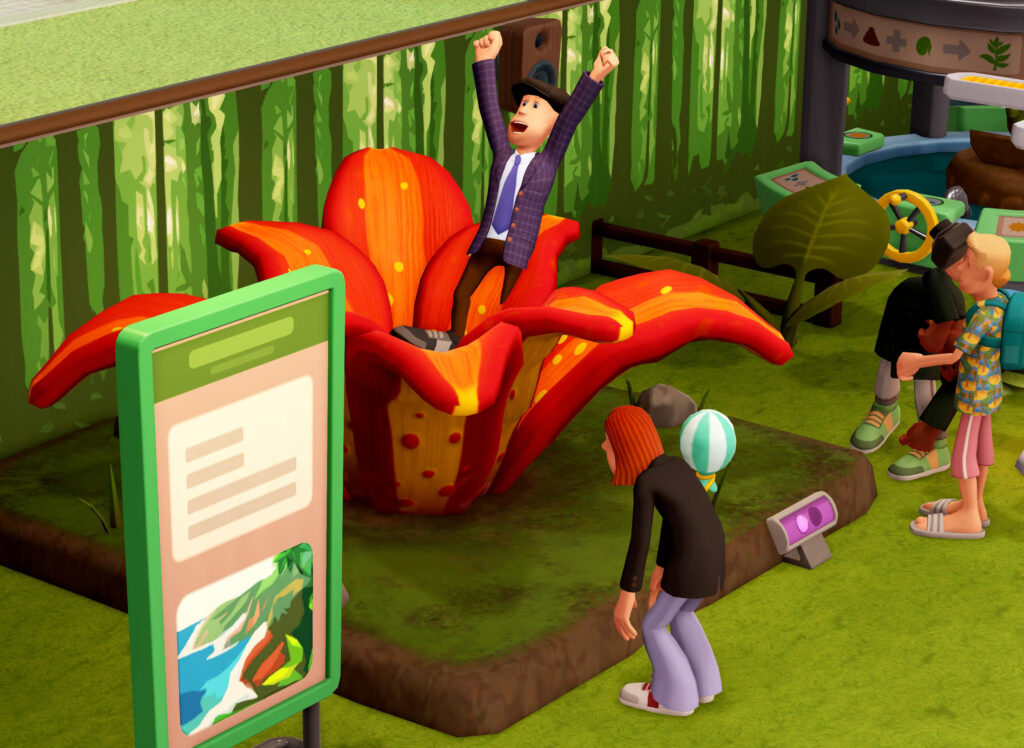
And this brings me to where I started, Two Point Museum. Created by Two Point Studios with wit, British humor, and the joys of a simulation game, Two Point Museum is a blast and also NOT what it’s like to work in a real museum. To start with, the exhibits can be a bit unusual. Many museums have botanicals, but they usually don’t suck in guests and turn them into clowns. Fossilized refrigerators, ghost pirates, and mysterious alien artifacts aren’t typical museum fare. The guests aren’t typical either. The Strong sees a diverse array of guests, but I’ve never seen a Yeti, Frogborne, or Vampire (that I know of) in the museum. We love when guests interact with interactive exhibits, and there are purposefully designed interactives in the game as well, but in Two Point guests also interact with many other objects on exhibit. Climbing on fossils? Sure! Getting temporarily eaten by a carnivorous plant? Great! “It isn’t real,” I whisper to myself. “Our guests are better than this.”
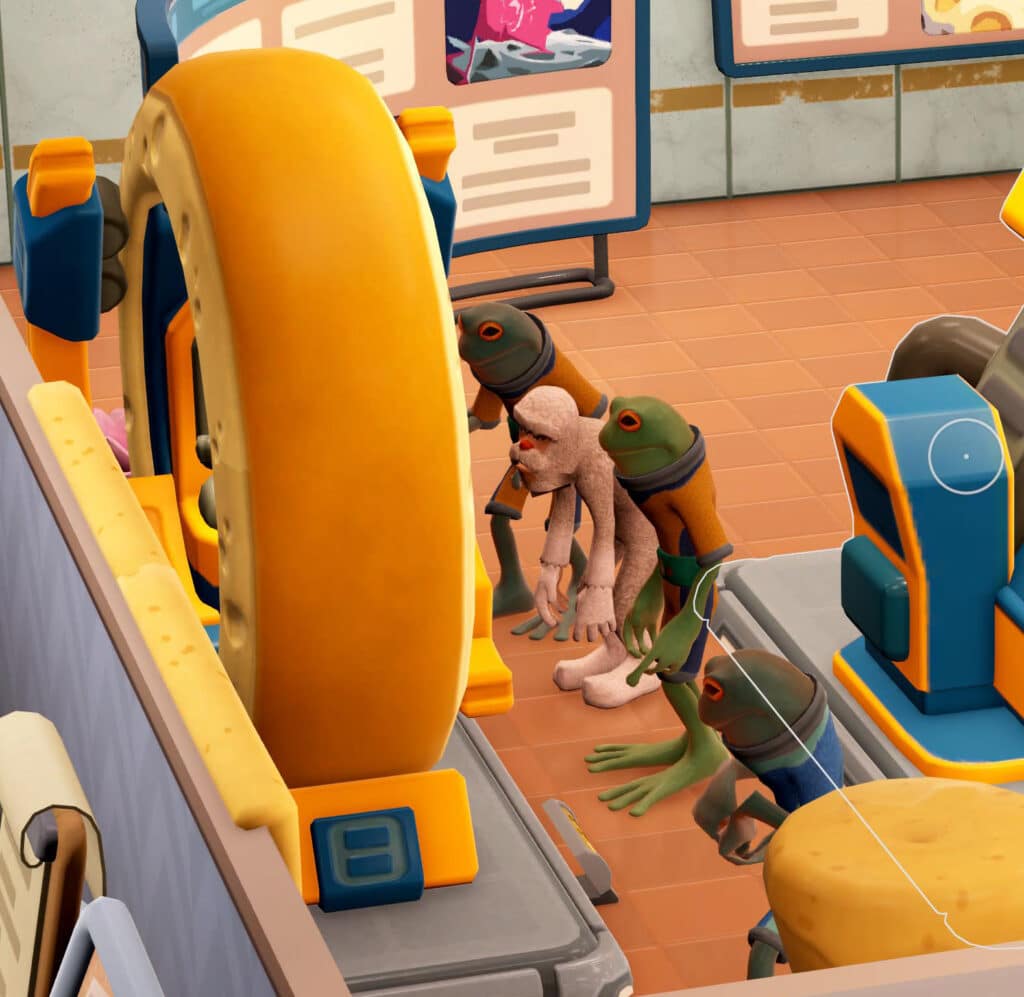
The craziest part of Two Point Museum for me is the museum ethics. In Two Point, all exhibits are acquired through expeditions where museum subject experts, janitors, security officers, and assistants are sent off without concern for the potential risk of injuries, illness, curses, and death. I don’t observe any legal framework in this process but rather a grab-it-and-go acquisition style that hearkens back to the encyclopedic museum movement, a movement often involving the exploitation and theft of cultural heritage by European and U.S. institutions. In Two Point, there are no permits, conservation laws, or larger ethical discussions about acquisitions. While Blathers shines in his example, as curator in Two Point you’re also expected to take part in the private market. No worries if you captured too many ghost time travelers; you can just sell them. A private collector in town means the potential of selling an exhibit at higher-than-market value. (I would like to point out that even though I know this is just a game, I have never accepted an offer from a collector for an exhibit. I just can’t do it.)
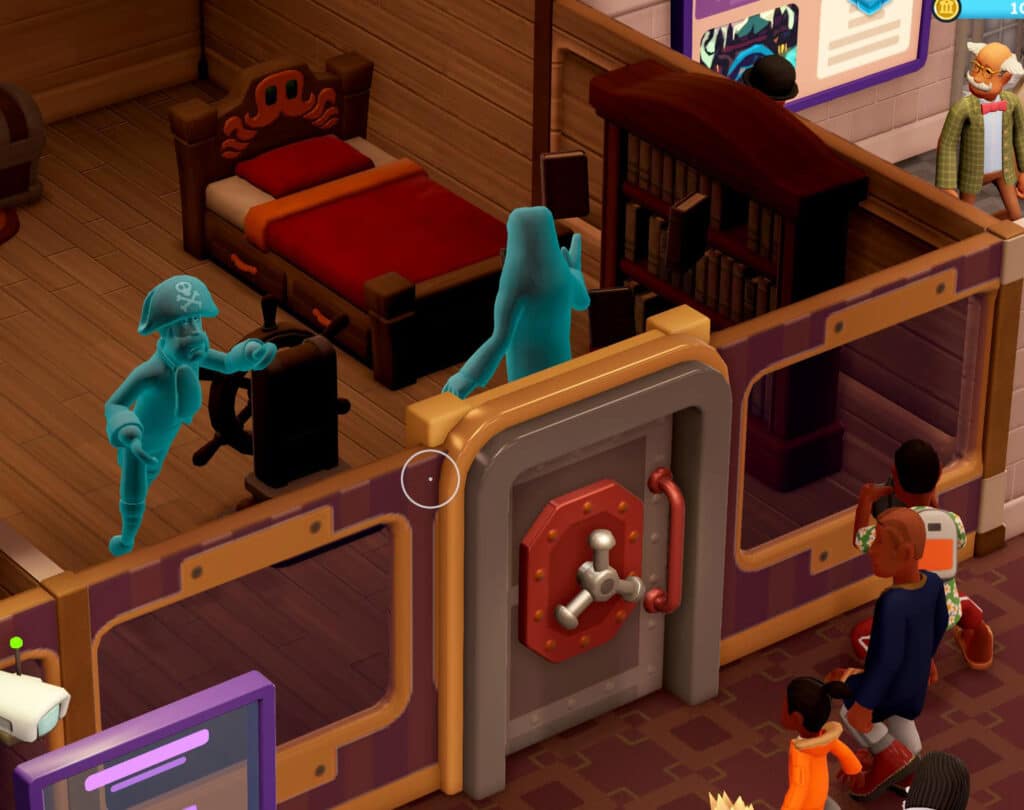
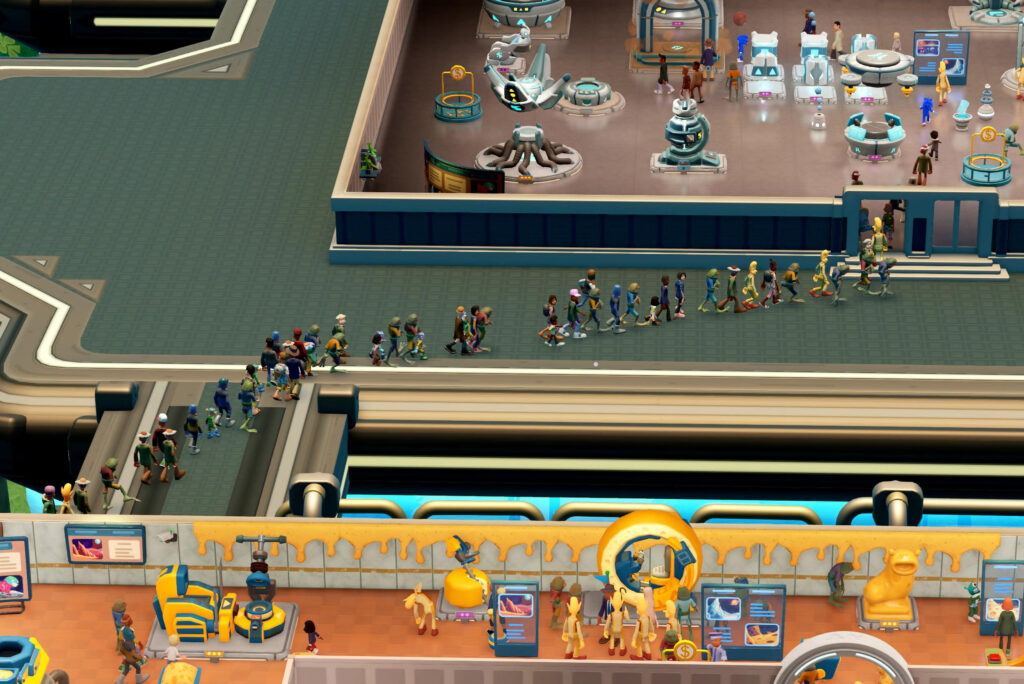
All that being said, there are foundations of reality in the simulator. You have to maintain a good balance of staff that can run the museum efficiently without exceeding the museum’s income. Providing good pay, staff rooms with amenities, and healthcare all help create a thriving team. Security is important for protecting artifacts (though if we are ever threatened by a ring of thieving mole people, it may be time for my retirement). Cafeterias, water fountains, bathrooms, rest areas, and décor all contribute to the visitor experience. Gift shops, visitor guides, and special tours provide enrichment opportunities and additional income. Cleaning, maintenance, and environmental regulation are all vital to both the guest experience and the well-being of the collections. Some fundamentals don’t go away, no matter how ridiculous the context becomes.
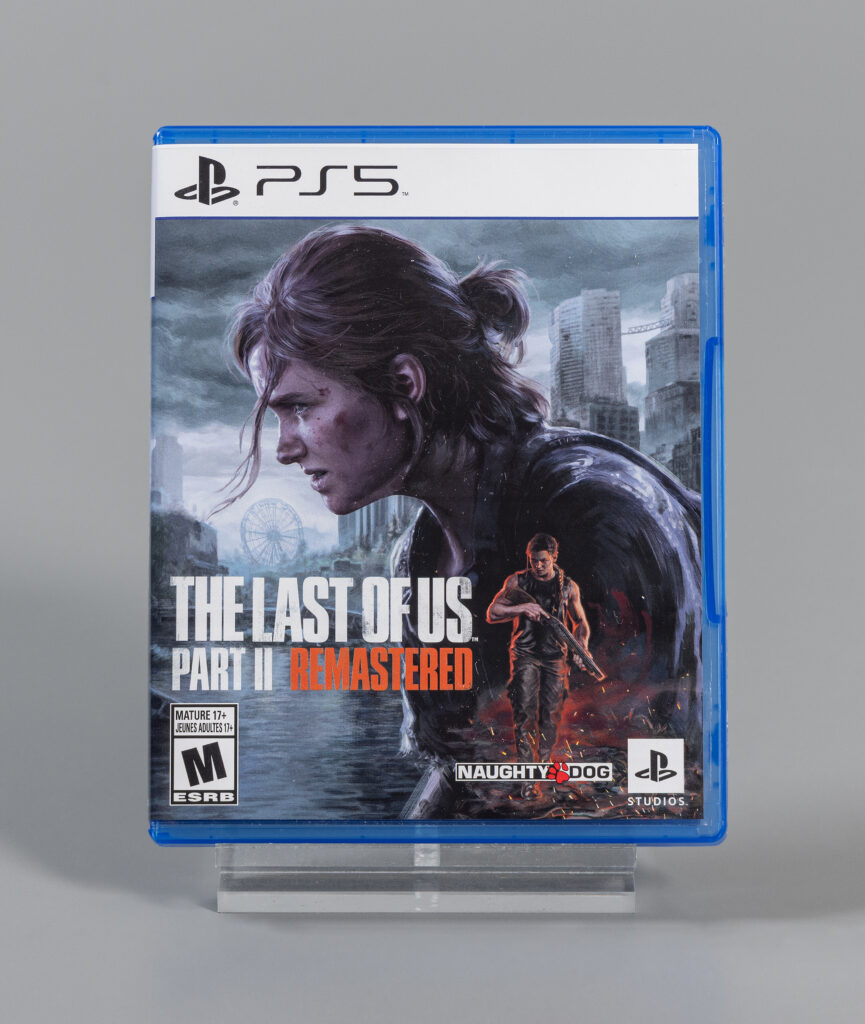
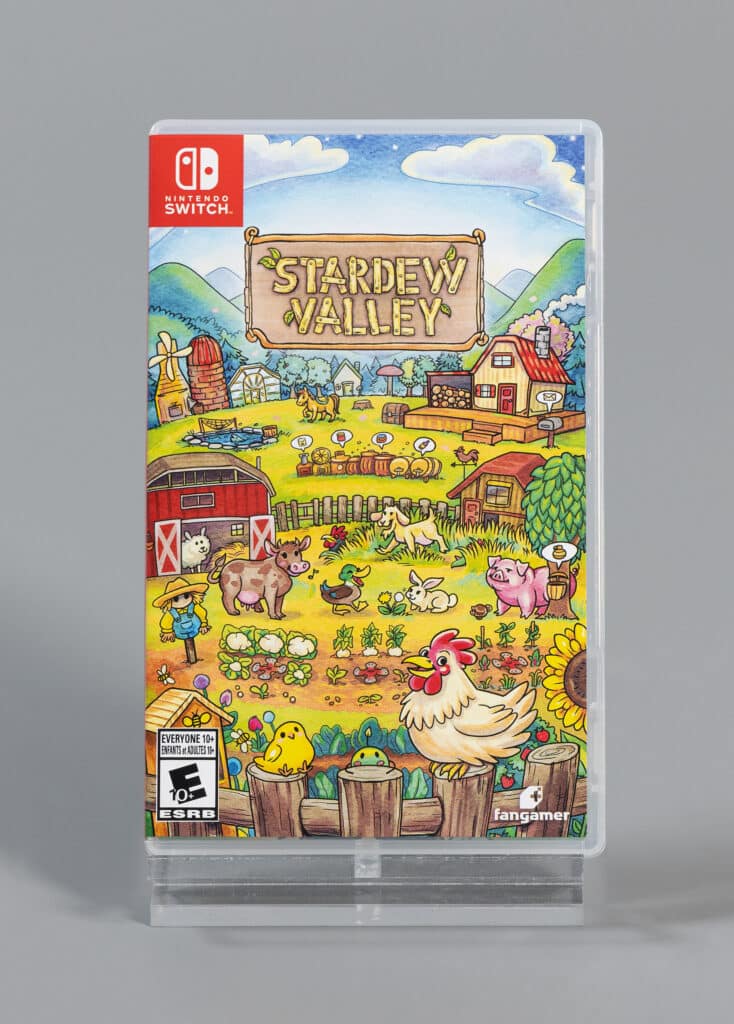
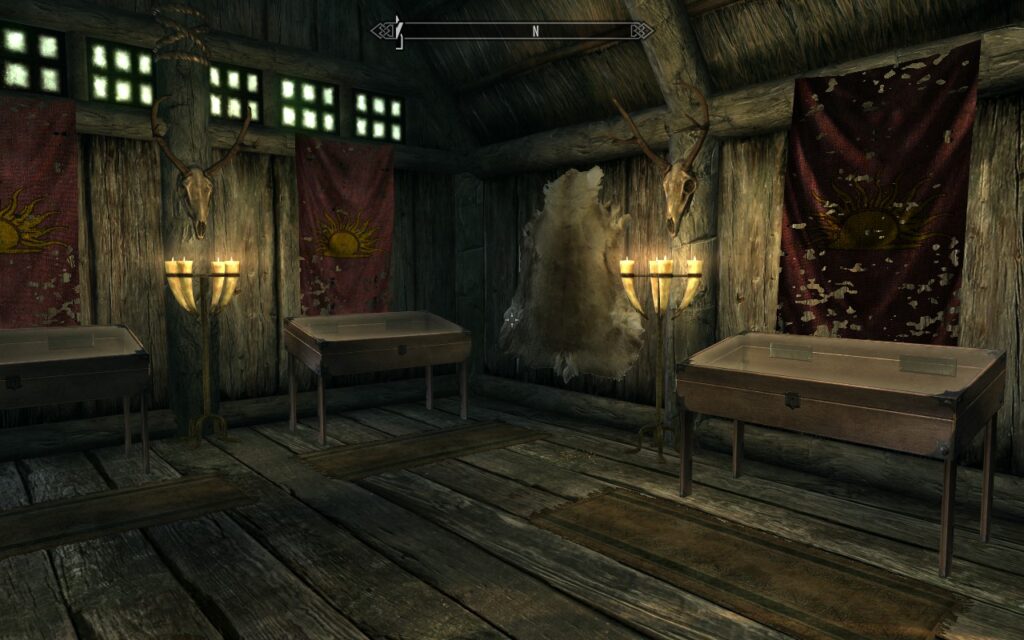
While these three examples form the foundation of my experience in video game museums, there are many more out there. You can contribute artifacts, minerals, and lost books to the Stardew Valley museum. The Museum of Orphaned Concepts in BioShock (Ultimate Rapture and The Collection versions) is a physical location that exhibits ideas and content that didn’t make it into the actual game. The Last of Us Part II features an abandoned and realistically-designed Wyoming Museum of Science and History that Joel and Ellie explore. In Skyrim, you can visit the museums of private collectors Silus Vesuius and Calcelmo at the Museum of the Mythic Dawn in Dawnstar and Dwemer Museum in Markath, respectively. If displaying your own finds is more your goal, the Legacy of the Dragonborn mod from icecreamassassin delivers a huge museum in Solitude with associated quest lines.
In conclusion, I’m not just a total museum nerd. I definitely am one, but museums in games are fun for more than just self-proclaimed museum people. I choose to take the prolific existence of museums in games as proof of their societal importance and a love of museums that extends beyond those of us who are called to work in them. According to the American Alliance of Museums’ research, “Seventy-six percent of all U.S. leisure travelers participate in cultural or heritage activities,” and, “More people visit art museums, science centers, historic houses or sites, zoos, or aquariums than attend professional sporting events.” With those numbers, I don’t think it should surprise anyone that museums have found their way into games. And if those video game museums suspend disbelief for a little bit and let us curate ghosts, I say it sounds like fun!

