



When we last left off, I was twenty pages deep into the expansive Glynn family scrapbook. During my brief pause, my curiosity about the family and their memories grew. I turned to The Strong’s online archive—formally known as the Brian Sutton-Smith Library & Archives of Play—to bolster my previous “investigation.”
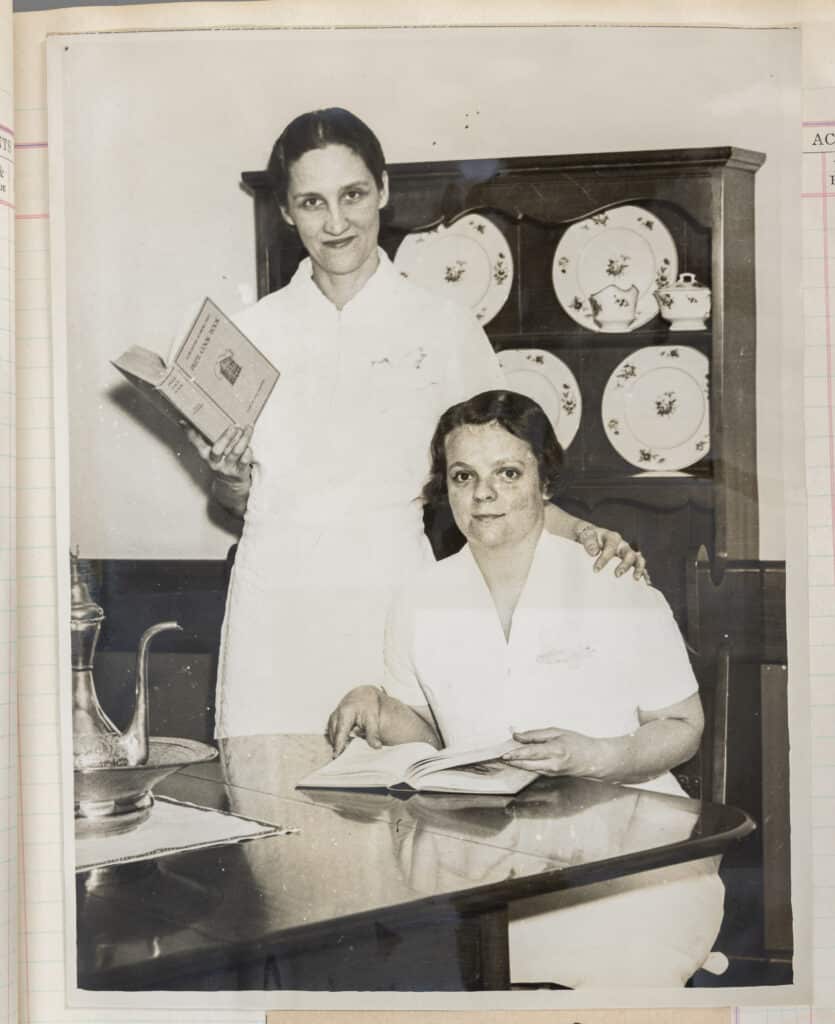
Through my research, I learned that, despite my initial assumptions, Maxine and Alfred were a childless couple. According to the National Library of Medicine, a third of couples during the 1930s were childless. The Great Depression caused profound economic insecurity and widespread uncertainty about the future, which likely contributed to the decrease in births during that era. Despite living in this dismal time, it seems the couple led a relatively idyllic life. They were married in 1929, when Maxine was 24 years old and Al was 25. The pages discussed in part one of my blog contained various mementos related to school events. My initial thought was that these pieces pertained to their own children; however, Maxine was both a schoolteacher and a lunchroom attendant. With this knowledge, I returned to the scrapbook.
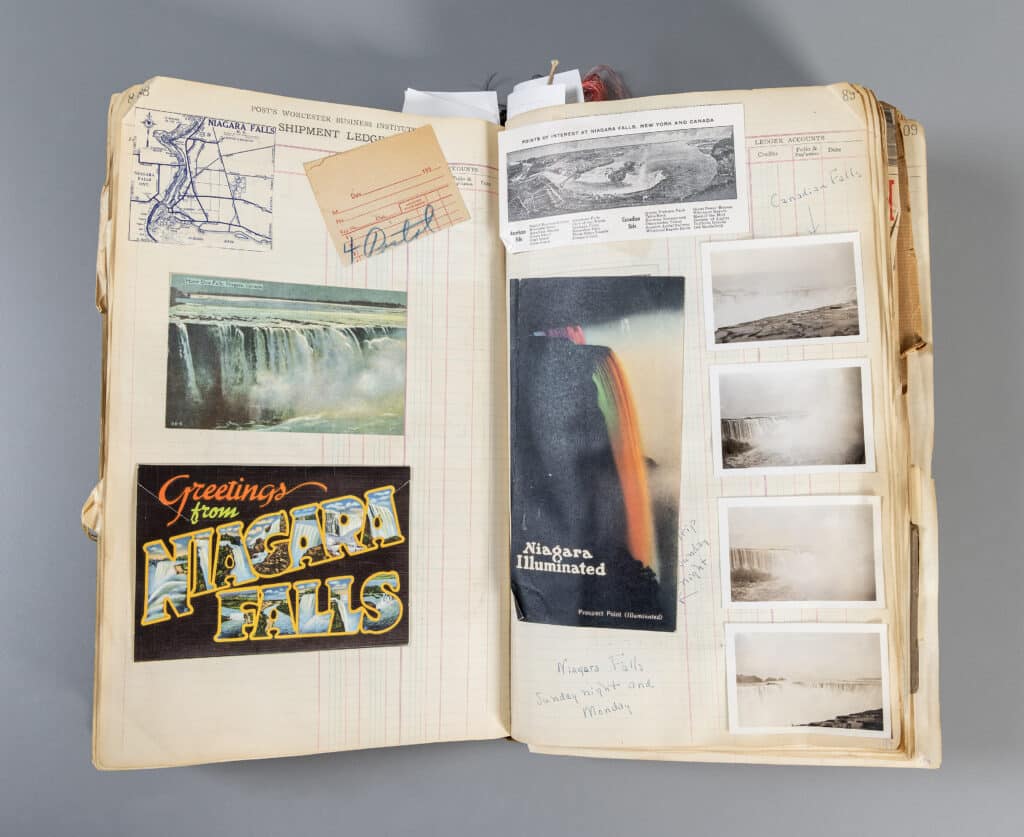
Though we often consider photographs one of the most direct representations of memory, Maxine believed in a well-rounded perspective. The photographs help set the scene when available, but Maxine’s attention to detail is what I find most revealing. Pages 88–92 outline a trip to Niagara Falls. I find the standard postcards (again, perfectly preserved) and photographs of the falls, but on page 91, I notice a folded napkin adhered to the page. Maxine writes, “Hat worn under raincoat in trip under Falls.”
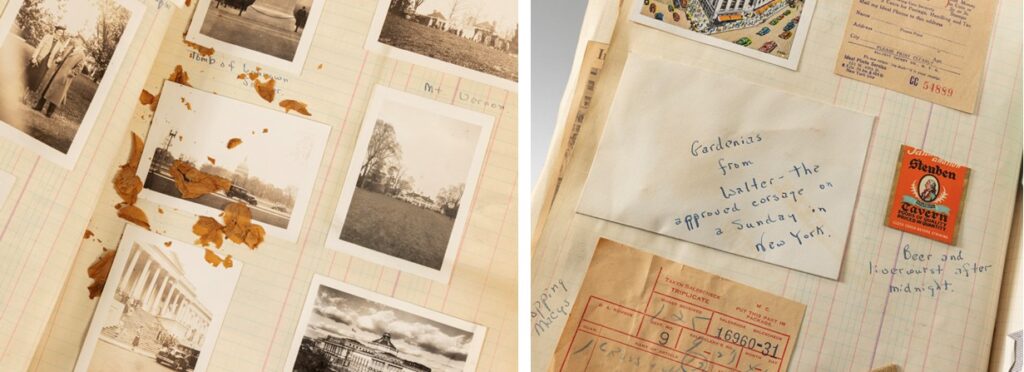
On the following page are mementos from the trip from Buffalo to Detroit by boat, including a matchbook, passenger ticket, and receipt for transporting the car. On at least one occasion, Maxine tucked away flowers from her corsage—usually from chaperoned dances—into an envelope, which she then dated and titled. Flower petals appear again between pages 200 and 201: photographs of a visit to Washington, D.C., memorialized with now brittle cherry blossom petals.
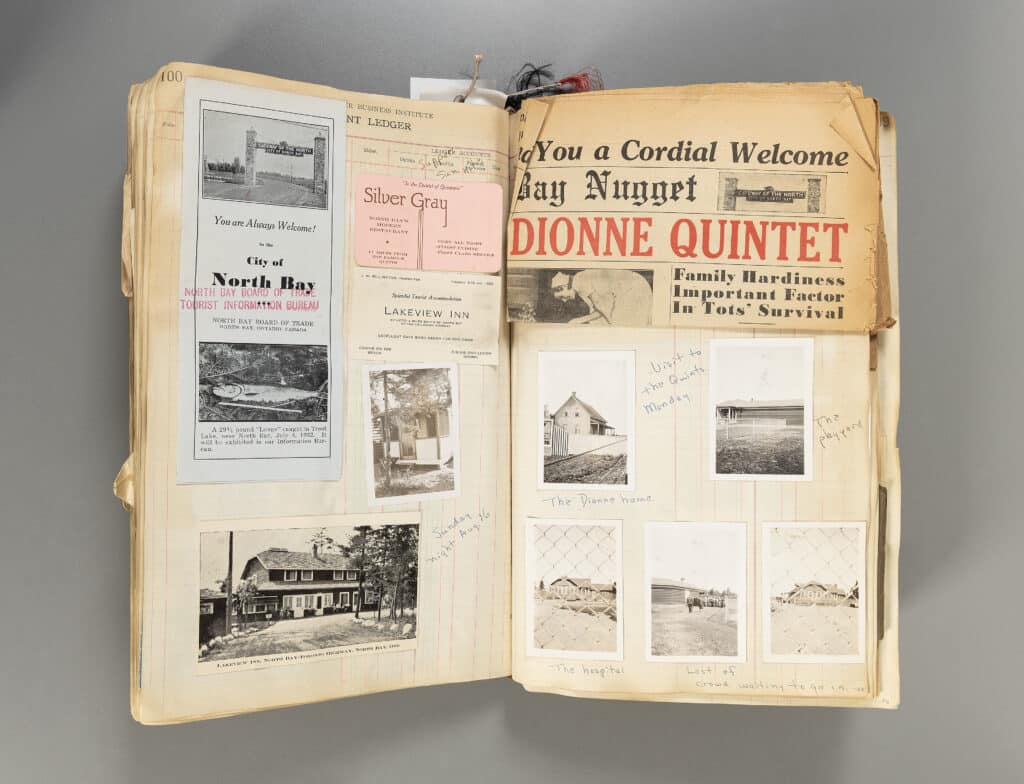
On page 100, Maxine immortalizes a trip to North Bay in Ontario, Canada. On this trip in particular, the Glynns make quite a strange stop: they visit a site where a “quintet” was born. A “quintet” is what we refer to as quintuplets today. Maxine included an entire newspaper foldout about the family. The top of the newspaper reads The North Bay Nugget, followed by bold red text: “REAL STORY OF DIONNE QUINTET.” Below the folded newspaper are photographs of the home, play yard, and hospital, as well as an image of a crowd waiting to enter the premises. What a great companion to the multiple examples of Dionne Quintuplet dolls in the museum’s collection!
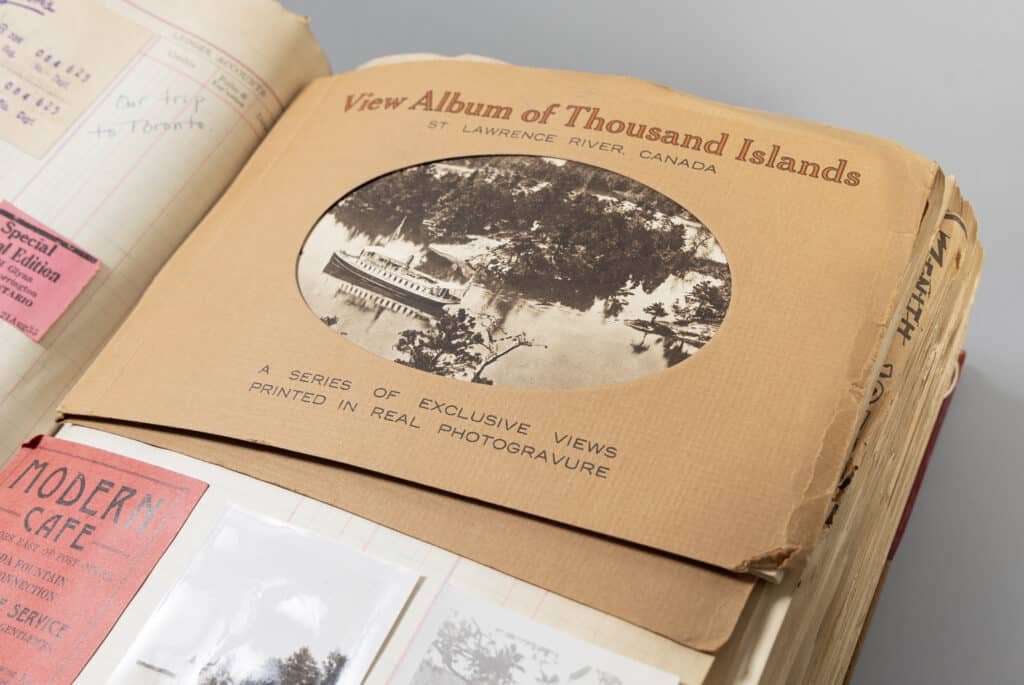
Page 103 outlines a trip to the Thousand Islands and, in true Maxine fashion, the load weight of a single ledger page need not apply. At the top of page 104 sits an entire souvenir photo album. You need two hands to turn the page to avoid tearing it. It seems this broadened her keepsake boundaries, as the following pages became increasingly filled with thick brochures, pamphlets, postcard books, and entire maps—some as substantial as a softcover book.
I find myself relating to Maxine in the ways I’ve kept memories from my own life. As a photographer, I’ve often felt that my path was shaped by a fear of forgetting. Naturally, photographs help us recall moments through visual documentation. However, I find that physical items lend themselves to a more tangible experience of memory. I’ve kept blossoms from early dates with my partner, a weathered wallet from a late uncle, and a jar that I continue to fill with fallen cat whiskers—among many other keepsakes. Perhaps the next time you find yourself in a pleasant moment, you’ll take a small treasure for a memory. We only have one life, after all.
